Thomas Hobbes
Hobbes was an English philosopher who argued that people are naturally selfish—and that strict government is necessary to keep order.

Background
Thomas Hobbes was an English philosopher who is often credited with helping start the Enlightenment movement in his homeland. Hobbes asked a difficult question: What are people like when there are no rules?
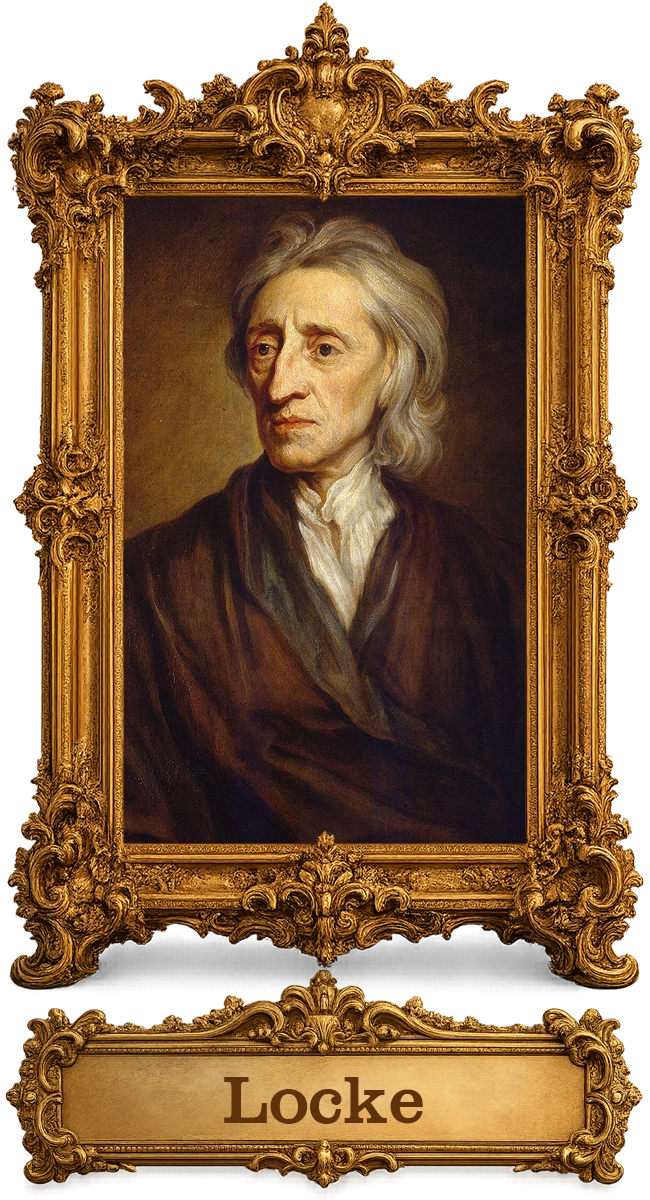
Unlike Locke, who believed people were naturally good at heart, Hobbes believed humans are inherently self-motivated, selfish, and corrupt. According to Hobbes, when people have the chance, they often make decisions that benefit themselves—even if it hurts others.
Leviathan (1651)
In 1651, Hobbes released his book Leviathan, which took a harshly critical view of human existence. Hobbes claimed that people will ignore their conscience if selfish choices bring them an advantage. He believed that without strong rules, people might lie, cheat, steal, and even commit violence if it benefits them.
Hobbes worried that if everyone followed only their self-interest, society would fall into chaos. That is why he believed government must exist to create rules and to enforce them.

The Role of Government
Because Hobbes believed people were naturally selfish, he held a bold view about government. While other Enlightenment thinkers looked for ways to lessen the role of government, Hobbes argued that strict government was absolutely crucial.
Hobbes believed a single, all-powerful monarch was the best way to keep people in order. In his view, law and order mattered more than limiting a ruler’s power—because without order, there could be no safety or stability at all.
Impact
Hobbes’s ideas remind us why societies create laws, courts, and police: to prevent people from harming one another and to keep daily life stable. The rule of law and order is crucial in any society, including the United States, and the mere existence of laws and enforced rules shows Hobbes’s lasting impact.
Even though later Enlightenment thinkers disagreed with Hobbes about how much power government should have, Hobbes helped shape a major debate that still exists today: How do we balance freedom and security?

Meet the Thinkers! – click on a portrait below to learn more.