John Locke
John Locke was an English philosopher during the Enlightenment who focused on the structure of governments—and argued that people are born with natural rights.

Background
John Locke was an English philosopher during the Enlightenment who focused on the structure of governments. Locke believed that people were naturally kind and, when given the choice, would help others before helping themselves. In other words, he thought most people could use reason to solve problems.
Since people were naturally good at heart, Locke believed that a strict government was not necessary. He argued that communities could work out problems by openly compromising with one another. For Locke, a good government doesn’t exist to control every part of life—its purpose is to set fair rules, settle disputes, and protect people from having their rights violated.
Two Treatises of Government (1690)
In his famous book on government, Two Treatises of Government (1690), Locke wrote about the relationship between government and its people. He challenged the idea that kings should rule with unlimited power. Instead, Locke argued that government should be based on an agreement between the people and the leaders who govern them.
Locke believed that a government’s power should come from the people’s consent. If leaders are supposed to protect the people, then leaders must follow laws and rules too. If they do not, the government is no longer doing its job.

Natural Rights
In Two Treatises of Government, Locke wrote about what he called natural rights—rights that are granted to you by nature (or God) upon birth. These rights, Locke argued, are not given to you by government and, as a result, government cannot take them away.
The rights that all people have, according to Locke’s natural rights, are the right to life, liberty, and the right to own property. Locke believed that the main job of government is to protect these rights. If government protects rights, people will usually accept its authority. If it violates rights, it loses the trust of the people.
Influence on the Declaration of Independence
Locke’s ideas traveled far beyond England. American colonists read Enlightenment thinkers and used their arguments to explain why a government should not have unlimited power. In 1776, Thomas Jefferson would borrow Locke’s words when he wrote that all people have inalienable rights (rights that cannot be taken away), such as life, liberty, and the pursuit of happiness.
Jefferson changed Locke’s wording slightly—Locke listed “property,” while Jefferson wrote “pursuit of happiness.” But the key idea stayed the same: people have rights that exist before government, and government’s job is to protect them.

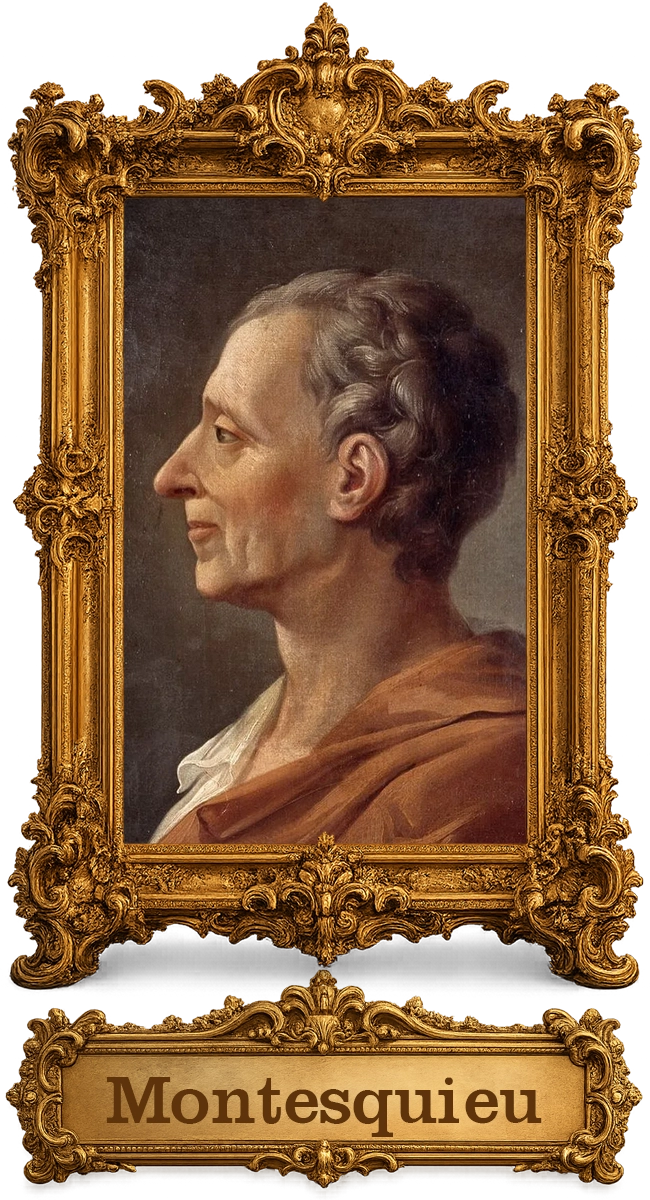
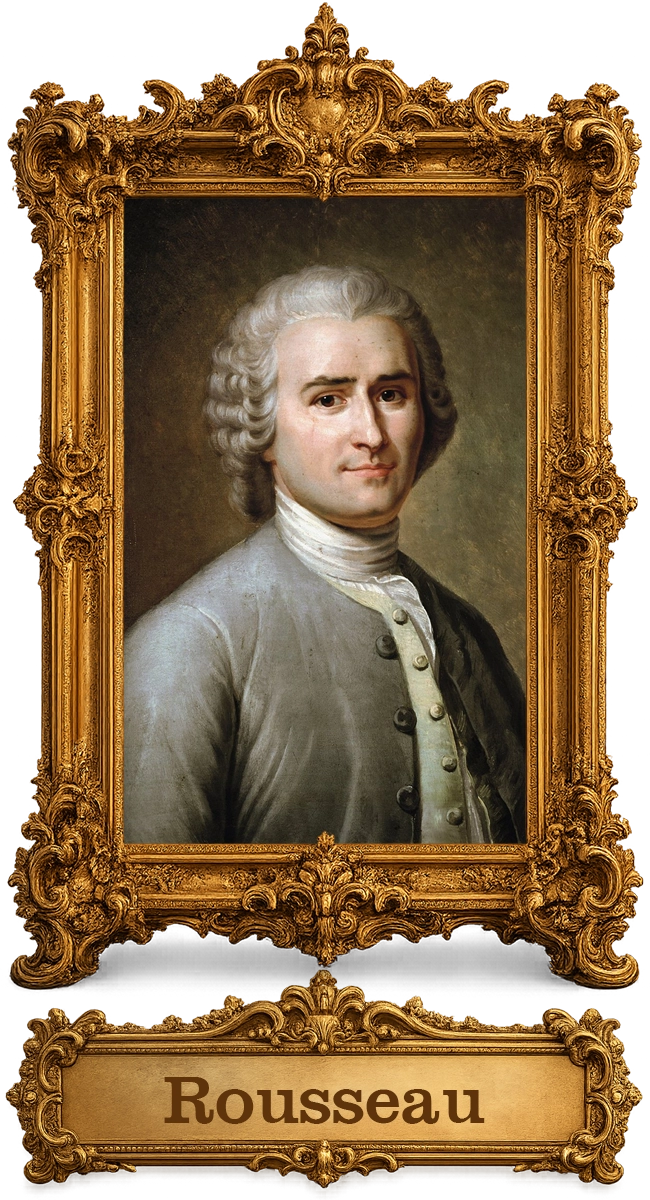
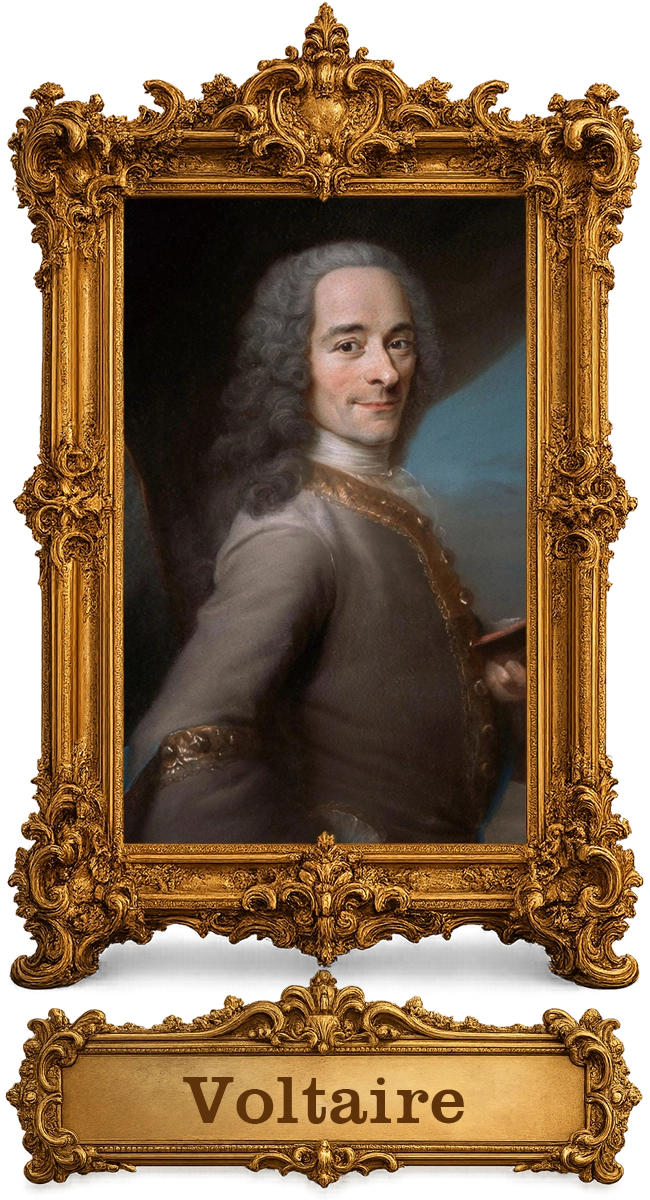
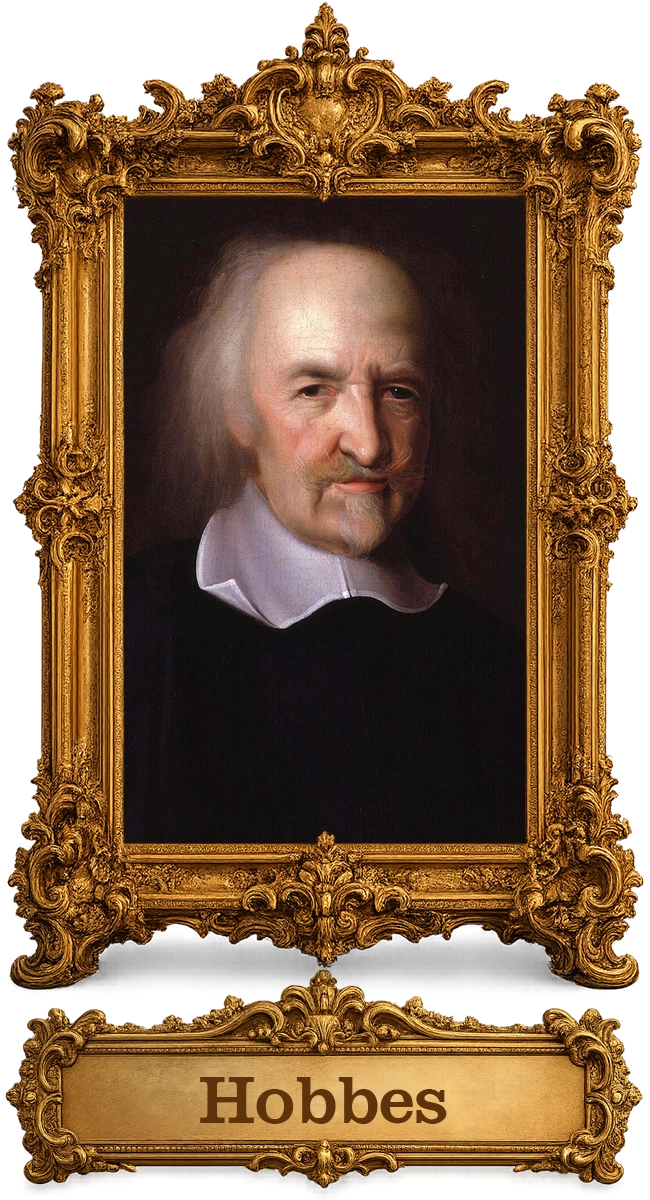
Meet the Other Thinkers! – click on a portrait below to learn more.