Voltaire
Voltaire was a French Enlightenment writer who argued that people should be able to speak freely—and that governments should not be controlled by religion.

Background
A French writer during the Enlightenment, Voltaire is best known for his work criticizing religion’s influence on politics. Voltaire believed that a government should not force people to follow religious rules—especially in a diverse society where not everyone believes the same thing.
He was one of the first Enlightenment thinkers to speak clearly about the need to separate religious doctrine from government policy. This idea is known as the separation of church and state.
Separation of Church and State
Voltaire believed separation of church and state was essential for a functioning democracy for two major reasons. First, he asked: how could people live peacefully if they were subjected to the rules of a faith they did not follow? When government is tied to religion, it can create unfair laws that punish people simply for believing something different.
Second, Voltaire argued that no separation of church and state means no true freedom of speech. He wondered: how could a person criticize the government if, at the same time, they feared angering God and being punished in the afterlife? When religion and government are tightly connected, criticizing leaders can feel like criticizing a religion—and people may stay silent out of fear.
Voltaire believed people should be able to speak their minds peacefully, even when others disagree. He argued that real freedom depends on protecting speech—especially unpopular speech.

Connection to the United States
Today, separation of church and state is a hallmark of American society. It is protected by the First Amendment to the U.S. Constitution, which prevents the government from establishing an official religion and protects religious freedom.
For example, public institutions (institutions that receive taxpayer money) cannot favor one religion over another. This is why there is no required prayer in public schools, why courts cannot display religious laws as official government rules, and why a president is not required to be of a certain faith.

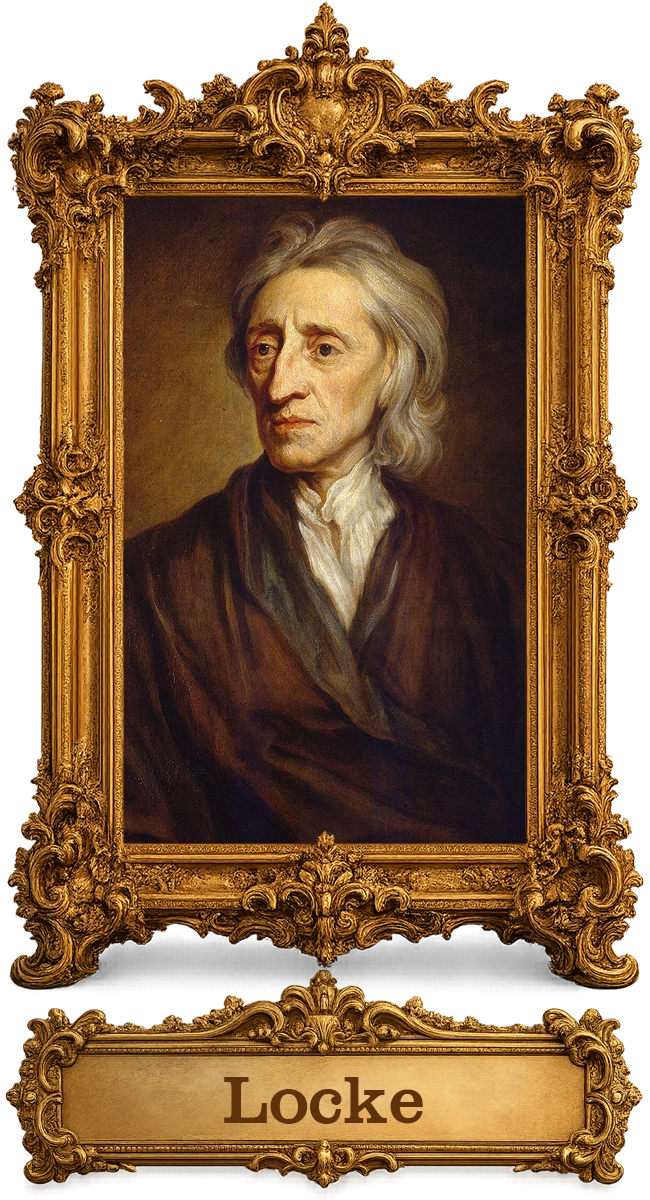
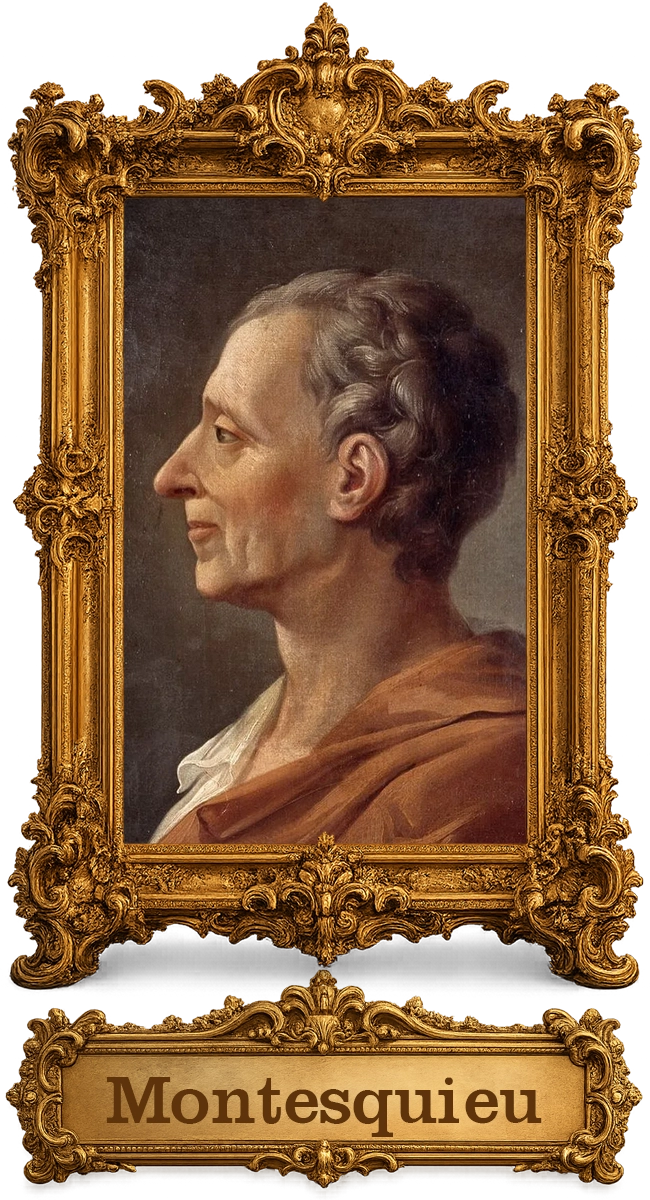
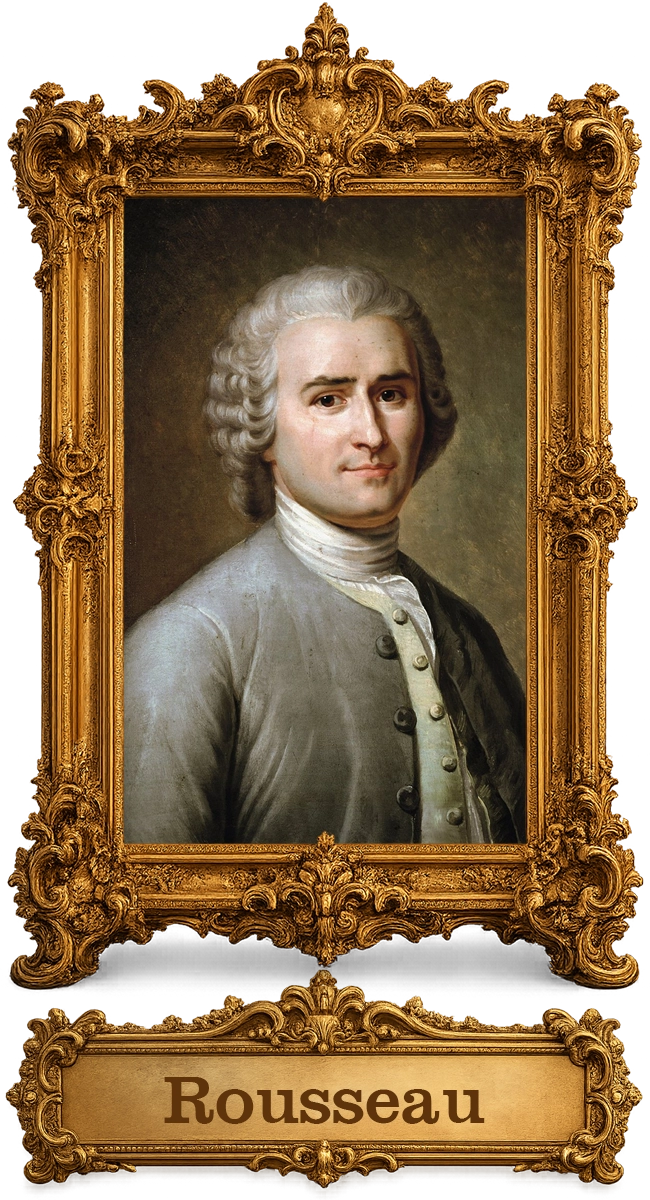
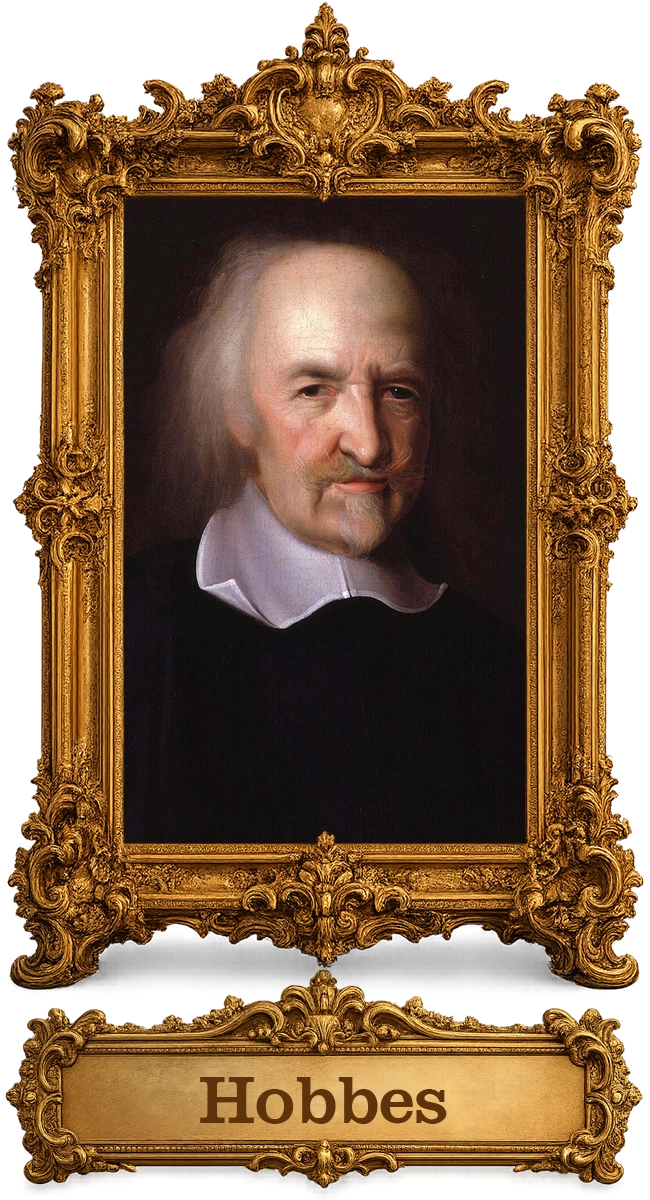
Meet the Thinkers! – click on a portrait below to learn more.