Mary Wollstonecraft
Wollstonecraft was an Enlightenment writer who argued that women deserve the same opportunities as men—especially equal education.

Background
Mary Wollstonecraft was an English writer who lived during the Enlightenment—a time when people used reason to question old traditions and imagine fairer societies.
Many Enlightenment thinkers talked about rights and freedom, but Wollstonecraft noticed a major problem: women were often left out of those conversations. She argued that if society believes in liberty and equality, then those ideas should apply to women too.
A Vindication of the Rights of Woman (1792)
Wollstonecraft’s most famous work is A Vindication of the Rights of Woman. In it, she argued that women are not “naturally” less capable than men. Instead, she believed that women were often treated as less capable because they were denied the same education.
Her point was bold for her time: if boys and girls learn different things, society shouldn’t be surprised when adults end up with different opportunities. She believed education should build strong minds and strong character—no matter who you are.

What Wollstonecraft Believed
Wollstonecraft argued that women should be treated as full members of society. She believed that women should have the chance to develop their talents, earn respect, and make choices about their lives—just like men.
She also believed that equal education would strengthen families and communities. When everyone can learn and think critically, society becomes more stable, more fair, and better prepared to solve problems.
Why Her Ideas Matter Today
Wollstonecraft’s arguments helped inspire later movements for women’s rights and equal opportunities. Today, many people see education as a basic requirement for equality—because access to learning affects jobs, leadership, and participation in democracy.
Her work is a reminder that Enlightenment ideas about rights and fairness can grow over time: society can expand who is included and who is protected.

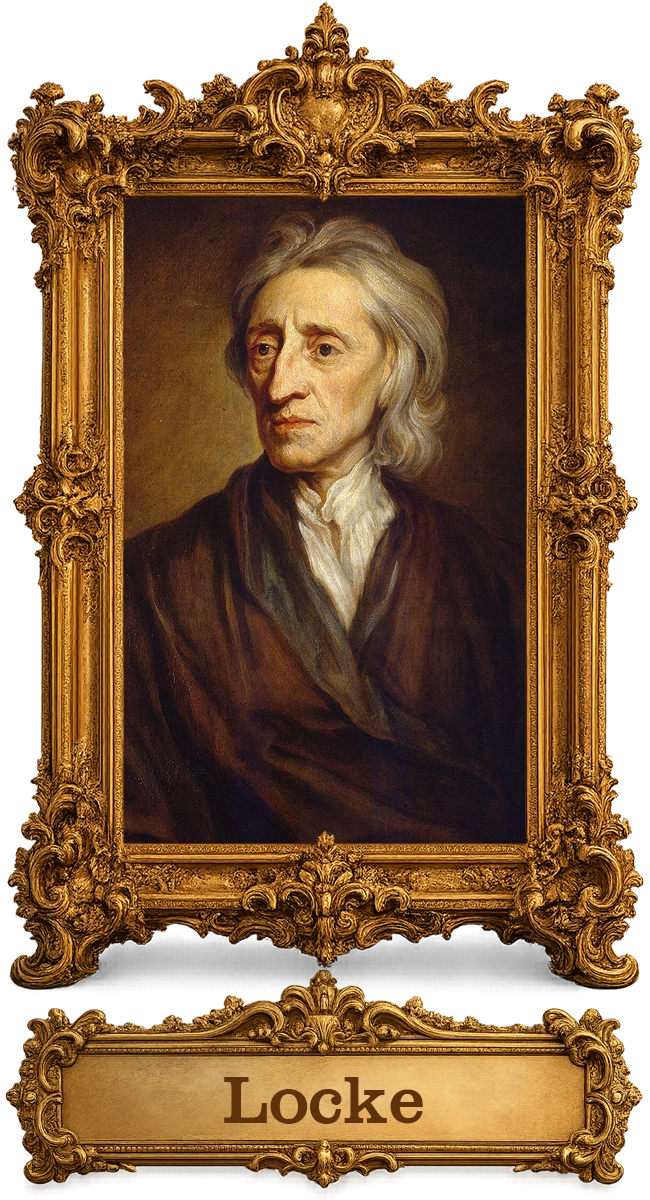
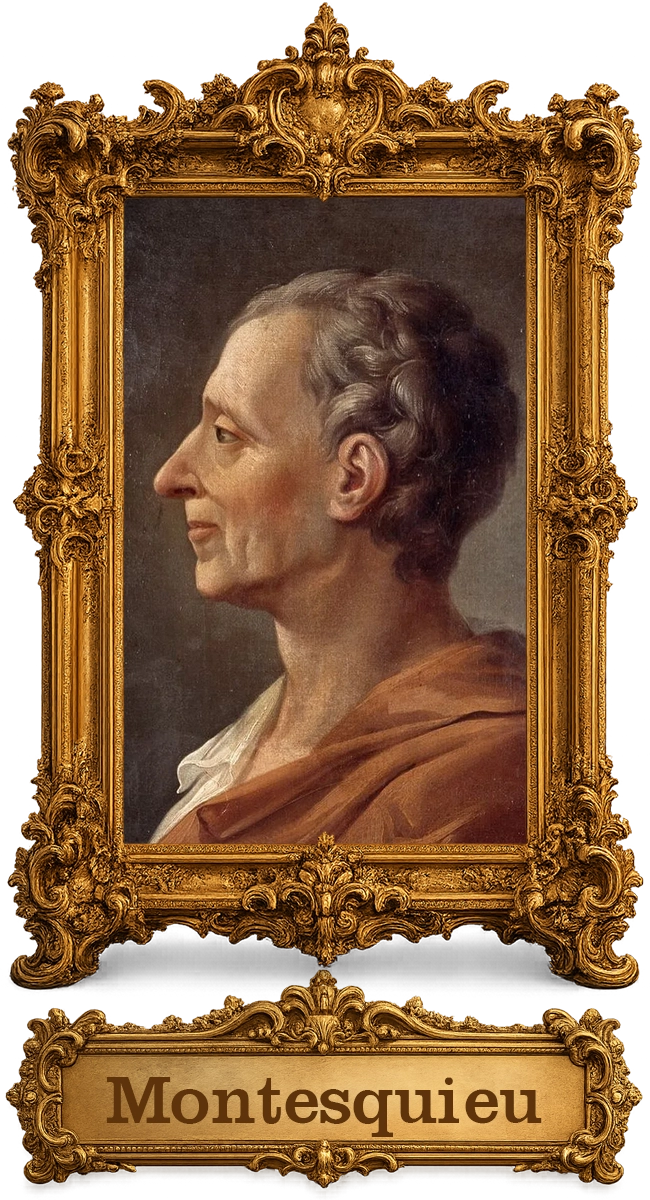
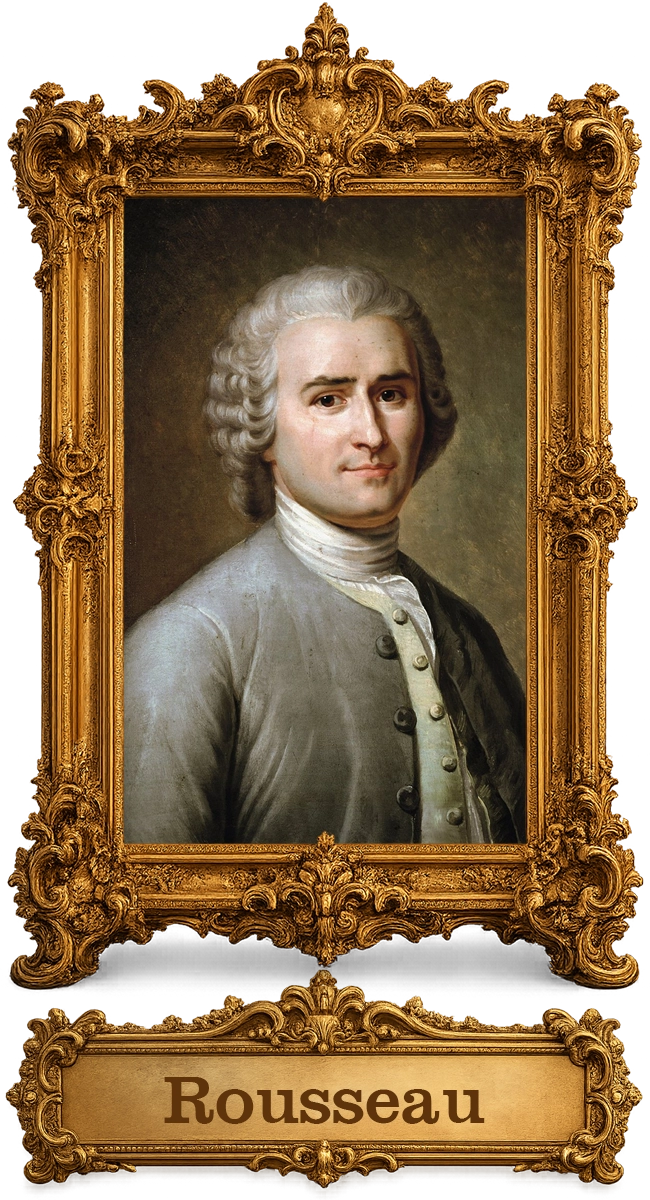
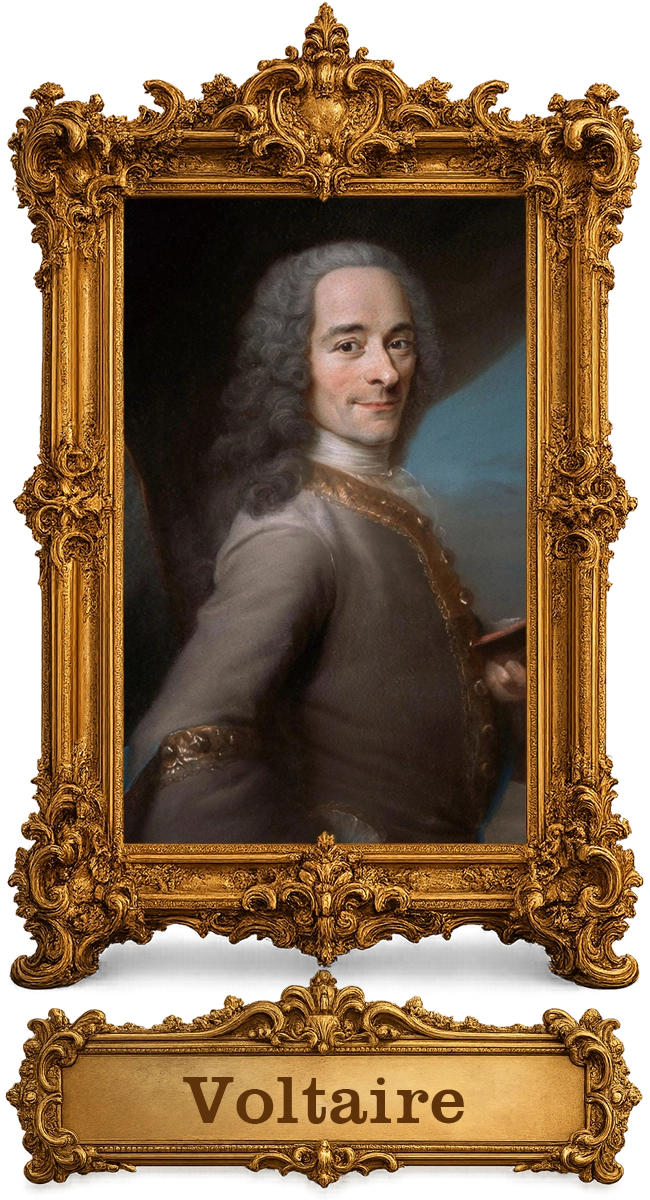
Meet the Thinkers! – click on a portrait below to learn more.