Jean-Jacques Rousseau
Rousseau was a Swiss-French Enlightenment thinker who argued that government is a contract between the people and their rulers.

Background
A Swiss-French thinker, Jean-Jacques Rousseau is often considered one of the most important philosophers of the Enlightenment. He focused on a big question: what should the relationship be between a government and its people?
Rousseau believed that governments are not “automatically” allowed to rule just because someone is born into power. Instead, leaders only have power when people agree to it—because the government is supposed to serve the people.
The Social Contract (1762)
In 1762, Rousseau wrote The Social Contract, where he explained that government exists as a contract between the people and their ruler.
To Rousseau, the deal was simple: the people allow a ruler to rule in exchange for protection and security. As long as the ruler protects the people’s rights, the ruler keeps power, the people are satisfied, and the contract stays intact.

Natural Rights and Keeping the Contract
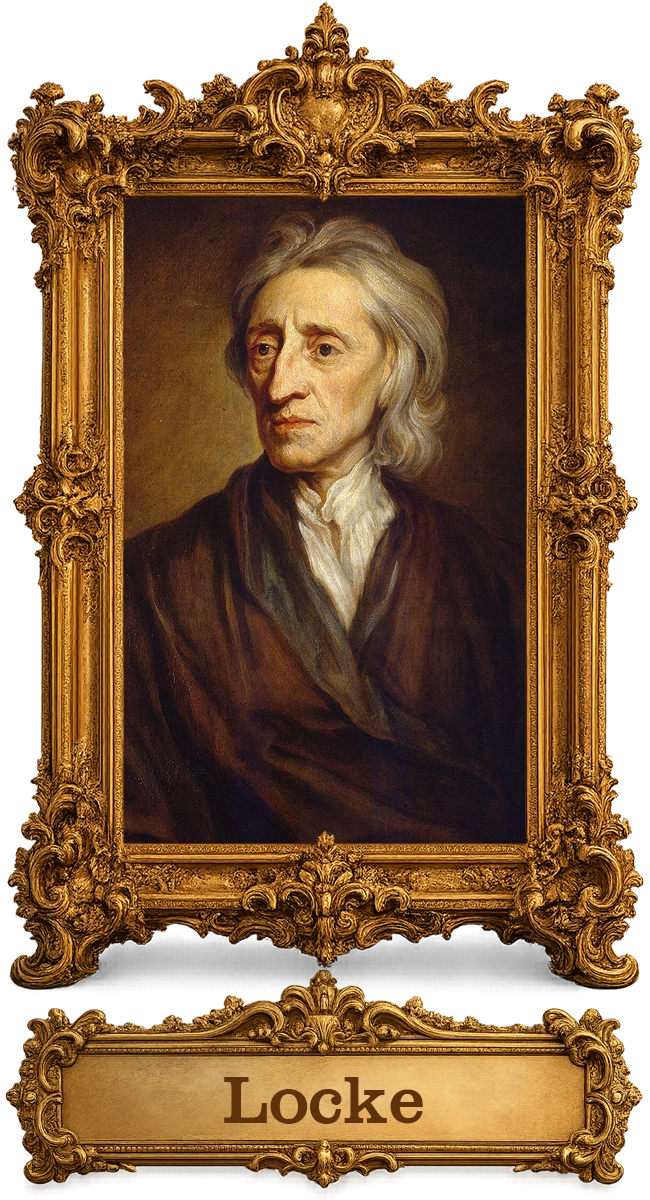
Rousseau argued that the contract only works when the ruler protects the natural rights of the people. He connected his ideas to the same natural rights John Locke had written about decades earlier: life, liberty, and property.
If those rights are protected, the contract stays strong. But if a ruler violates people’s rights, the government is breaking the contract—and Rousseau believed the people can respond.
Breaking the Contract
Rousseau stated that if a ruler breaks the contract and violates individuals’ natural rights, then the people can change, alter, or even overthrow their government—or break away and form a new one.
The point wasn’t that people should overthrow governments all the time. It was that government is only legitimate when it protects rights. If it stops doing that, it loses the reason it exists.
Influence on the United States and Elections
This idea helps explain the creation of the United States. In 1776, the 13 colonies felt their natural rights were being infringed upon, broke from Britain, and formed a new country.
Rousseau’s contract idea also connects to elections today. Each time we hold elections, we are expressing—on a smaller scale—our view of the contract. If people choose a new leader, it is often because they no longer feel their rights are being protected as well as they should be.

Meet the Thinkers! – click on a portrait below to learn more.