Baron de Montesquieu
Montesquieu was a French Enlightenment thinker who argued that free governments need to split power up— so no one leader or group can become all-powerful.

Background
Baron de Montesquieu was a French political thinker during the Enlightenment. Like many Enlightenment philosophers, he asked big questions about power: Who should rule? How should governments be built? And how do you protect people from unfair leaders?
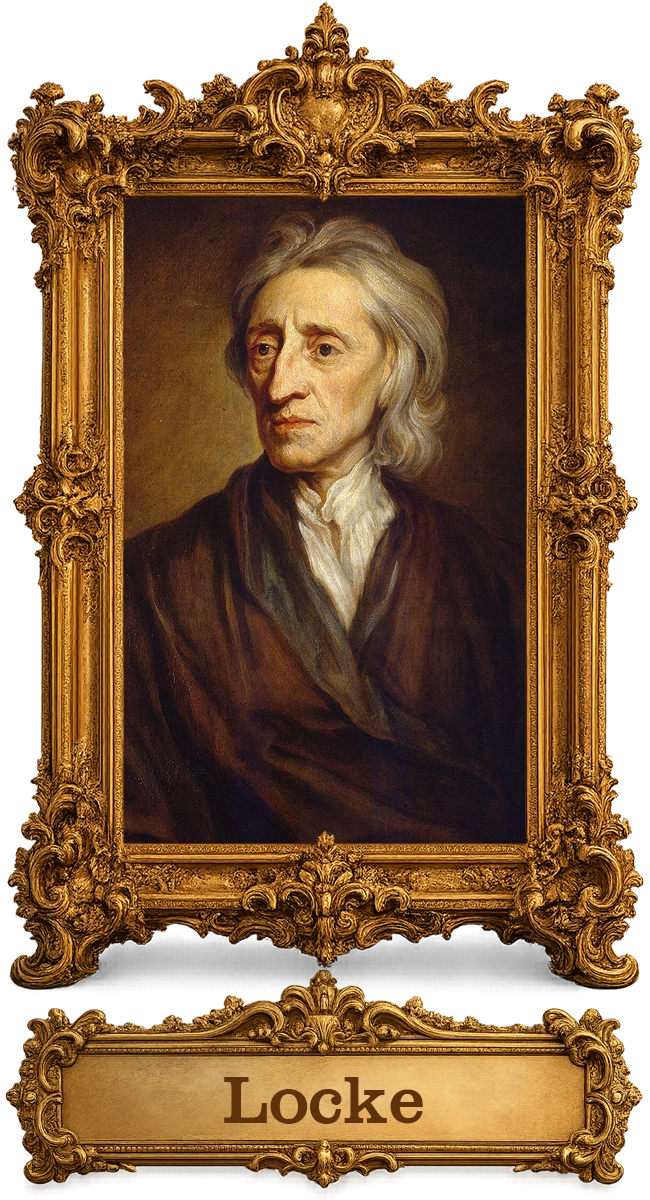
Montesquieu agreed with John Locke that governments should protect people’s basic natural rights. But Montesquieu went one important step further: he focused on the structure of government—how it should be organized so it stays fair.
The Spirit of Laws
Montesquieu’s most influential book, The Spirit of Laws, expanded on earlier ideas about representative government. He argued that even if leaders begin with good intentions, power can be tempting—and a government without limits can slowly become unfair.
Montesquieu believed the best way to protect freedom was to keep power from being concentrated in one place. That is why he pushed for a separation of powers.
Separation of Powers
Montesquieu boldly claimed that free, democratic government needed a separation of powers to keep its leaders from becoming all powerful. Without anyone—or any group—to check the power of a monarch, what’s to stop that ruler from overstepping boundaries or unfairly abusing power?
His solution was to divide government into parts that each have their own responsibilities. Then, each part can check the others—so power stays balanced.

Three Branches of Government
In the United States, Montesquieu’s influence is seen in the organization of three branches of government. No one branch has complete control:
• The legislative branch makes laws.
• The executive branch carries out laws.
• The judicial branch interprets laws.
The goal is not to make government weak—it’s to make government fair. When branches share power, it becomes harder for any one person or group to take over and rule like a dictator. That’s why, despite popular opinion, the president’s power is limited in many ways.

Meet the Thinkers! – click on a portrait below to learn more.