Reason • Rights • Revolutions

The Enlightenment

In the 1600s and 1700s, many European thinkers argued that people should use reason to understand the world—and that governments should protect natural rights. These ideas helped inspire revolutions and shaped the U.S. Constitution.

Time period: 1600s–1700sFocus: thinking, rights, and better government
Big Idea graphic
Enlightenment thinkers argued that government should be based on reason—and exist to protect people’s rights.
🧠 Reason 🗳️ Rights 🏛️ Government ⚖️ Laws 📜 Constitution

What Was the Enlightenment?

The Enlightenment was an intellectual movement that spread across Europe in the 1600s and 1700s. Many thinkers believed that people could improve society by using reason instead of relying only on tradition or authority. They asked big questions: What makes a government fair? What rights should everyone have? When is it okay to change a government?

Enlightenment writers often criticized absolute monarchy and supported ideas like popular sovereignty and social contract. Their books, essays, and debates spread through coffeehouses and salons, helping ideas travel across borders.

These ideas mattered far beyond Europe. American colonists read Enlightenment authors and used their arguments when creating a new country. When the United States wrote its Constitution, it built a government designed to protect liberty and limit power.

Connections to the Declaration of Independence & the U.S. Constitution

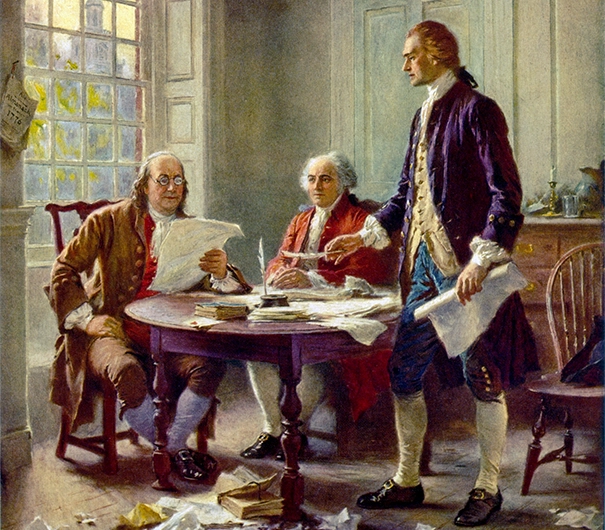
Drafting the Declaration of Independence

Enlightenment ideas helped shape two key American documents: the Declaration of Independence (1776) and the U.S. Constitution (1787). The Declaration explains why the colonists believed they could break away from Britain, and the Constitution explains how the new government would work—while preventing tyranny.

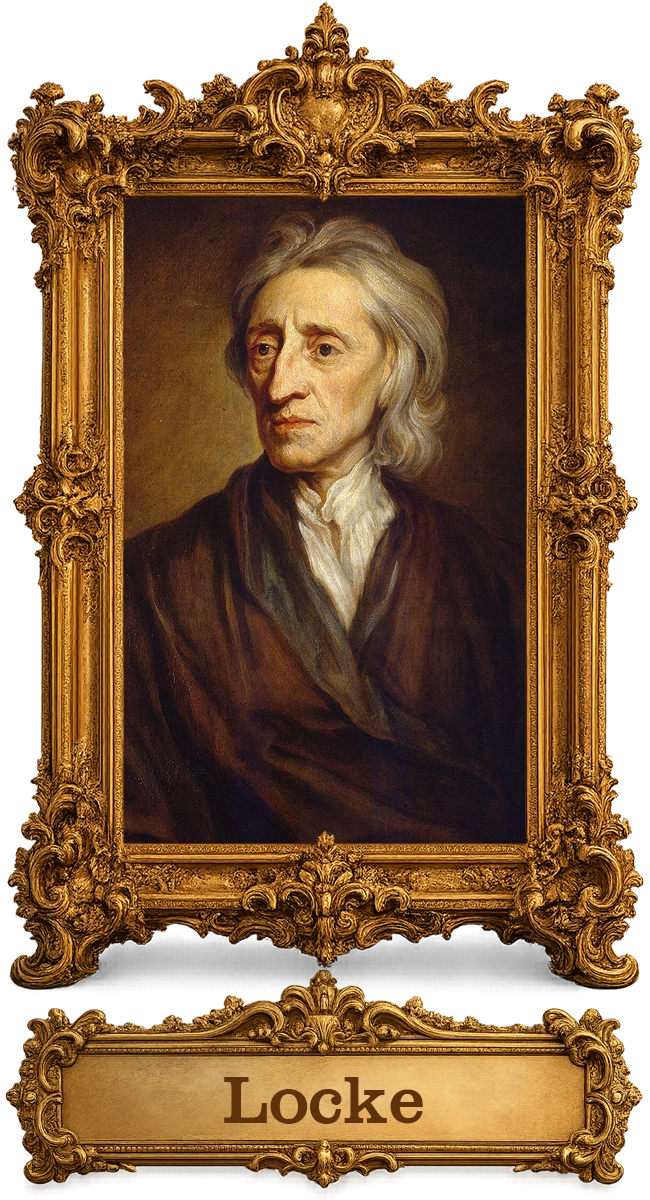
  • John Locke: People have natural rights. The Declaration echoes this idea with “life” and “liberty,” and the claim that government exists to protect rights. If a government violates rights, people can change it—an idea connected to the social contract.
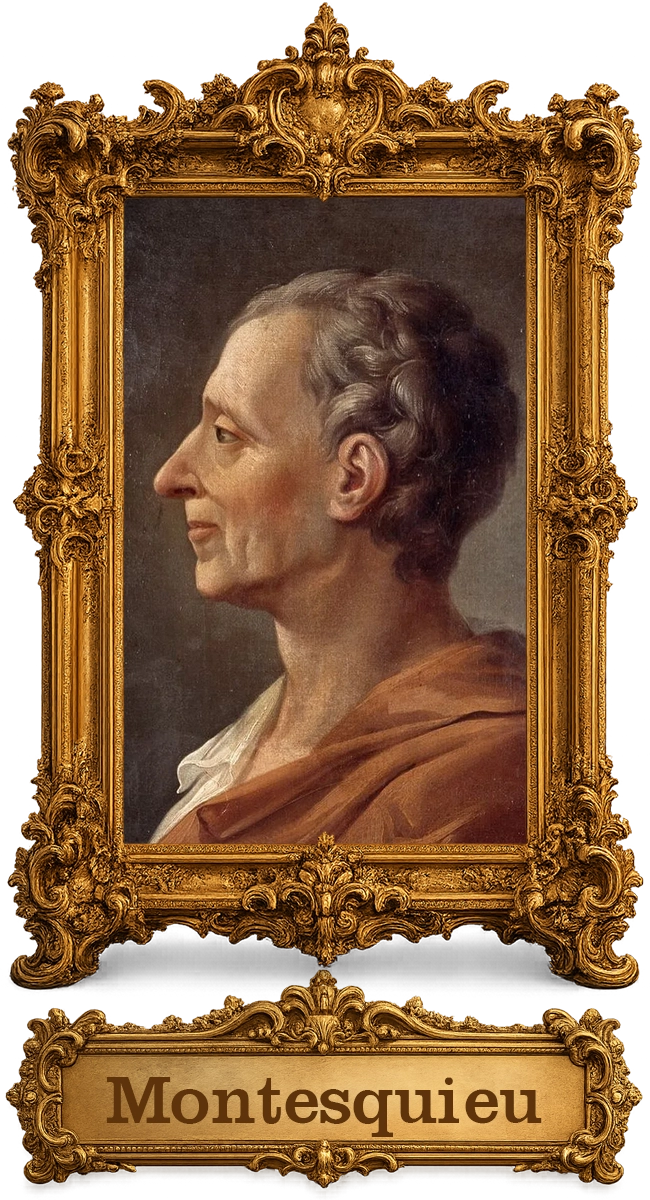
  • Charles Montesquieu: To stop abuse of power, government should be divided into parts. The Constitution uses separation of powers so no one person or group controls everything.
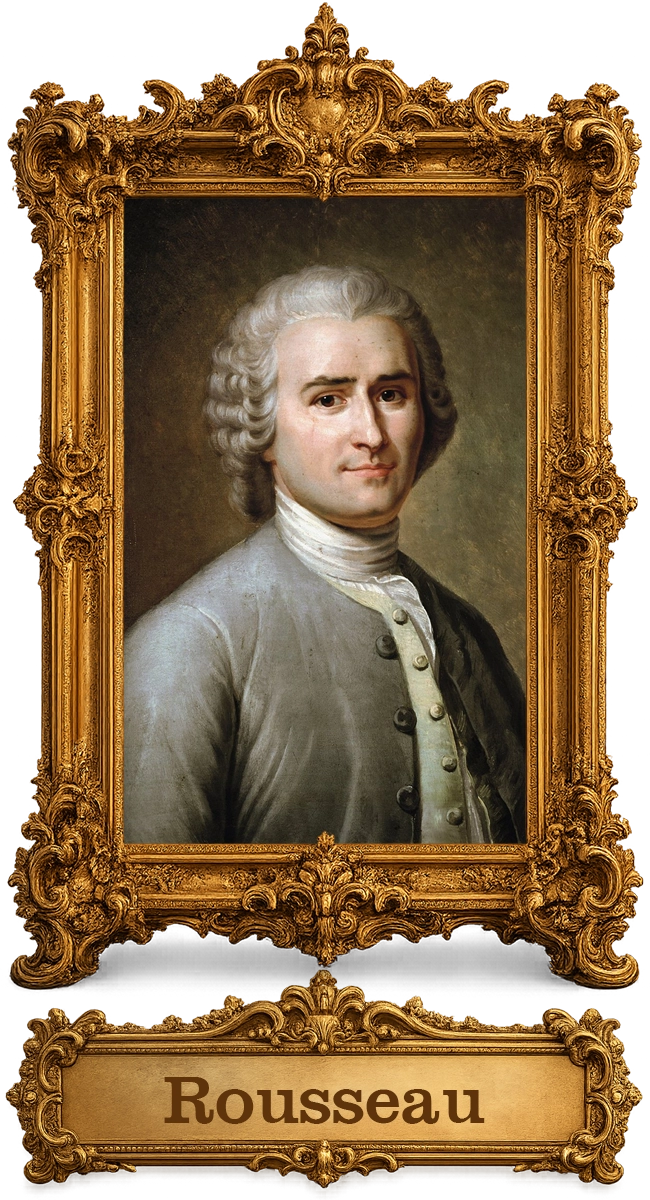
  • Jean-Jacques Rousseau: Legitimate government should reflect the people. The Declaration talks about government based on the people’s agreement, and the Constitution begins with “We the People,” tying to popular sovereignty.
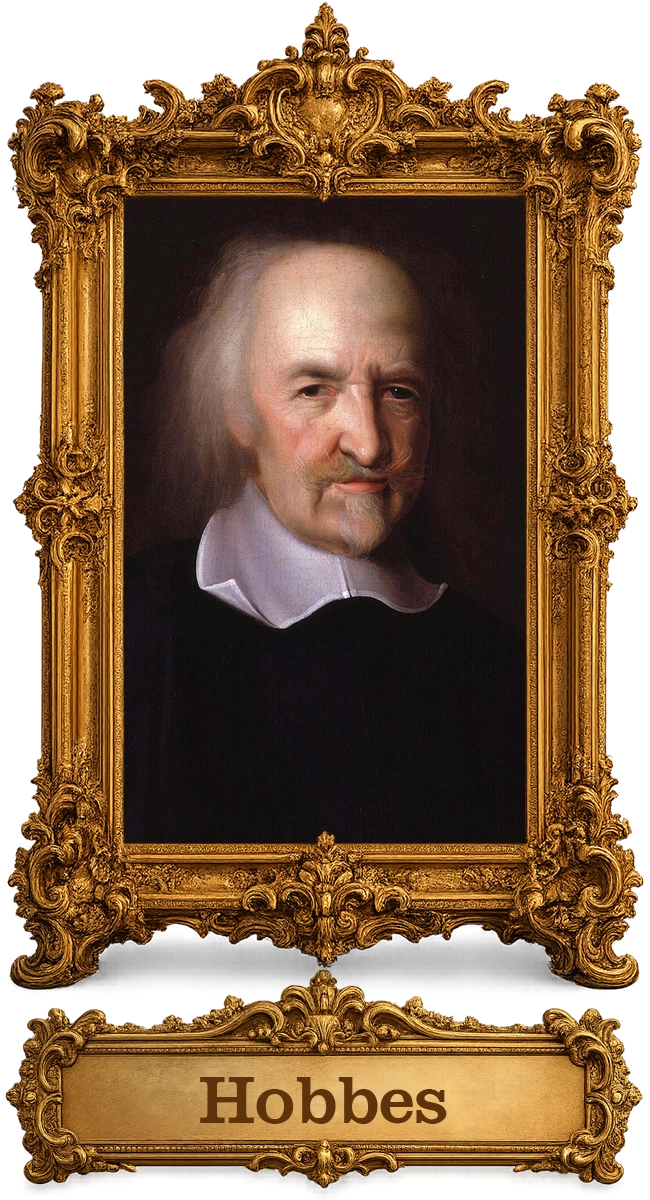
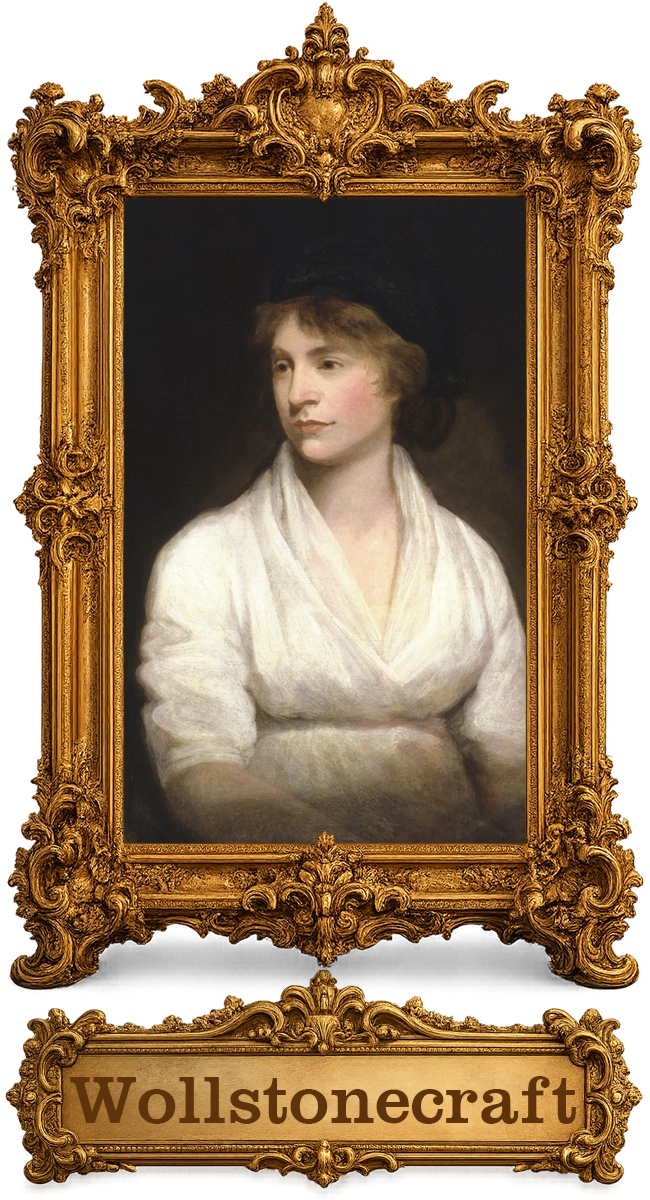
  • Mary Wollstonecraft: Enlightenment ideas about rights raised an important question: Who counts? Wollstonecraft argued that women should have education and rights too. Over time, Americans used Enlightenment language about equality and rights to push for expanding rights to more people.

Together, these documents show Enlightenment influence in two ways: the Declaration argues for rights and justified government, and the Constitution builds a system designed to limit power and protect liberty through structure and laws.

Did you know
Some Enlightenment writers used pen names or wrote secretly because criticizing kings and churches could lead to censorship—or even prison.

Core Ideas of the Enlightenment

1. Reason
Human reason is the best tool for understanding the world.
Logic > blind faith or inherited tradition.
2. Science & the Scientific Method
Knowledge should come from observation and experimentation.
Built on thinkers like Isaac Newton (even if he’s more science than philosophy).
3. Natural Rights
People are born with rights (like life, liberty, and property).
Governments exist to protect those rights—not take them away.
4. Progress
Society can improve through education, reform, and rational thinking.
History doesn’t have to repeat itself forever.
5. Skepticism of Authority
Kings, churches, and governments should not be obeyed just because they have power.
Authority must be justified.

Quick Facts

Where? Mostly Europe, especially France and Britain
When? 1600s–1700s
Big question: “What is a fair government?”
Big impact: American & French Revolutions
Key idea: Power should be limited and accountable

Key Vocabulary

Enlightenment — a movement that promoted reason, science, and rights.
natural rights — basic rights people are born with.
social contract — an agreement between the people and their government.
separation of powers — dividing government jobs among branches.
checks and balances — each branch can limit the others.

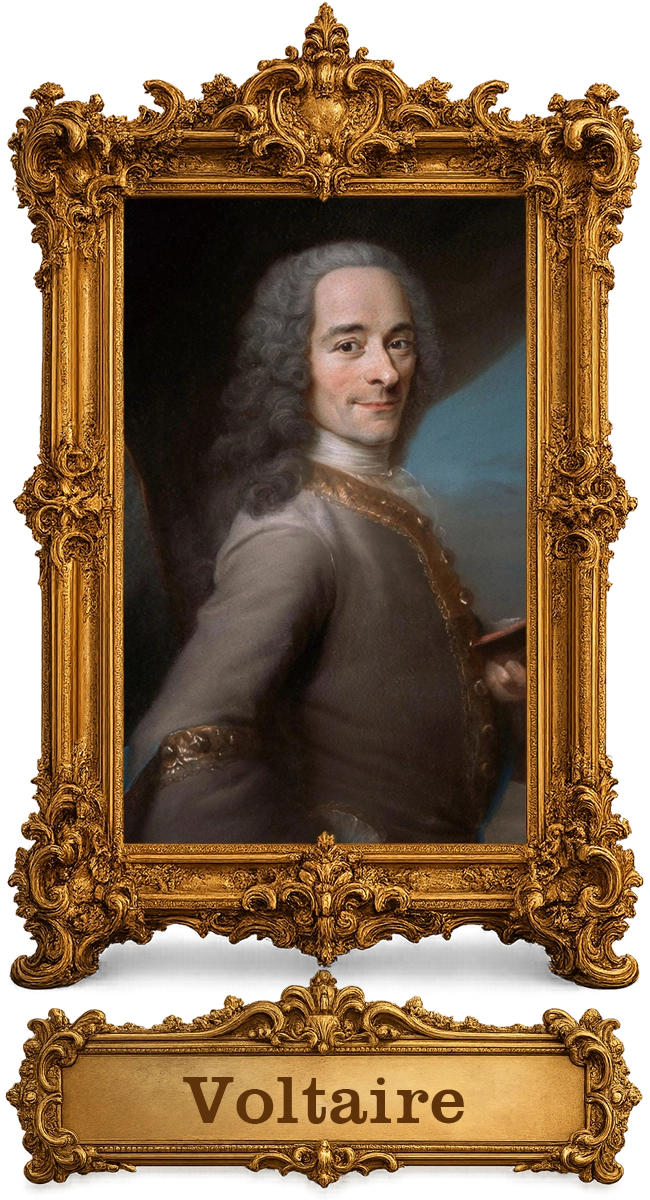
Meet the Thinkers! – click on a portrait below to learn more.

Glossary

reason — careful thinking based on evidence and logic.
natural rights — rights people are born with, like life and liberty.
social contract — an agreement between the people and their government.
separation of powers — dividing government power into branches.
checks and balances — ways each branch can limit the others.
tyranny — unfair or cruel use of power.