Creation • Titans • Olympians

Greek Mythology

Explore how the Greeks explained the world through stories about myths, powerful gods, and epic conflicts.

Big Idea graphic
Myths explained nature, power, and human behavior—and showed what people valued (or feared).
🌌 Origins ⛰️ Titans ⚔️ Titanomachy ⚡ Olympians

Background

Greek mythology is a collection of myths and legends that the ancient Greeks used to explain their world. These stories feature powerful gods and goddesses, heroic mortals, and mythical creatures, all woven into tales of adventure, love, and conflict. At the heart of these myths are the Olympians, a pantheon of deities who ruled from Mount Olympus and played crucial roles in shaping the fate of both gods and humans. Greek mythology has influenced art, literature, and culture for thousands of years, with its themes still resonating in modern storytelling. Whether through epic battles, divine rivalries, or quests for glory, these myths provide a fascinating glimpse into the beliefs and imagination of ancient Greece.

Vocabulary

Chaos — emptiness; the dark void at the beginning of creation.
Titan — powerful beings who ruled before the Olympians.
Olympians — the main gods who ruled from Mount Olympus.
Tartarus — the deep underworld prison beneath the earth.
Titanomachy — the great war between Titans and the younger gods.

Quick Facts

Main setting: Mount Olympus (gods) and the mortal world
Big conflict: Titans vs. Olympians
Why it matters: Myths explained nature, power, and values

Chaos and the Creation Myth

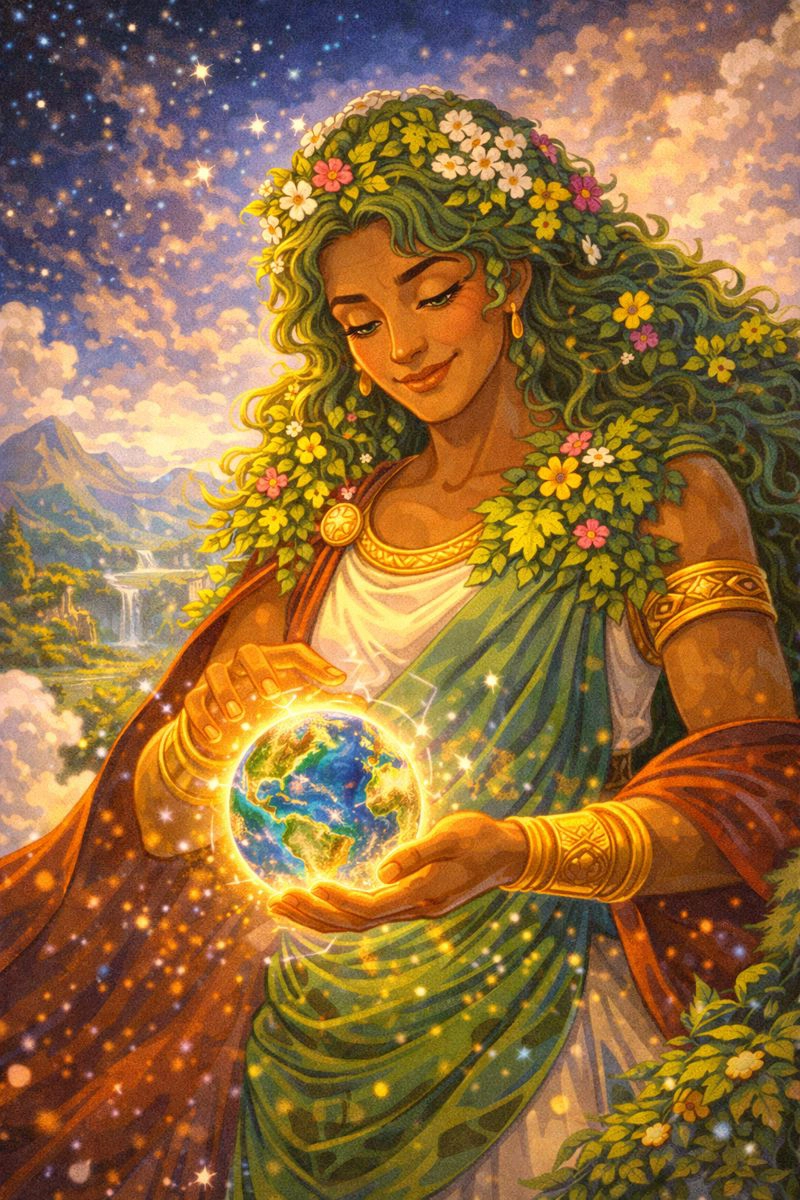
Gaia

A long time ago, before the world existed, there was only Chaos. Chaos wasn’t a person or a god—it was just emptiness, a dark and endless void. But from this nothingness, things began to take shape.

First came Gaia, the Earth. She was strong and steady, the foundation for everything that would come after. Then came Tartarus, the deep and shadowy underworld far below the earth. Next was Eros, the force of love, who helped bring things together.

Gaia didn’t need anyone to help her create. On her own, she gave birth to Uranus, the sky, who stretched out above her like a vast dome. She also created the mountains and Pontus, the sea. Uranus became her husband, and together, they had many children. Their most important children were the Titans, powerful and massive beings who ruled the world before the gods of Olympus.

But Uranus was not a kind father. He feared that his children might one day take his power, so he locked some of them deep inside Gaia, causing her great pain. She grew angry and planned to stop him. She asked her children for help, but only one was brave enough—Cronus, the youngest and most ambitious Titan.

The Rise of the Titans and the Birth of Zeus

Cronus

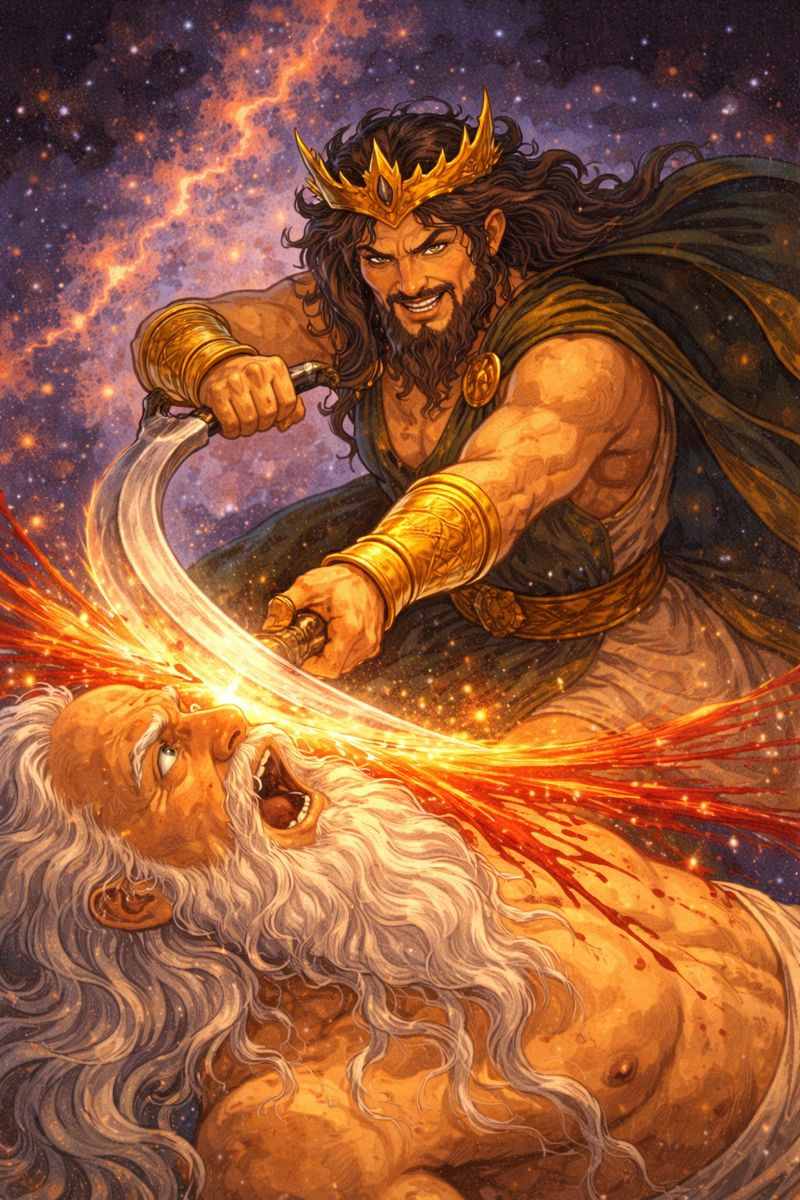
Gaia gave Cronus a sharp sickle, and one night, when Uranus came close, Cronus struck him, wounding him terribly. With Uranus weakened, Cronus and his siblings were free. But as Uranus fell, he warned Cronus that one day, he too would be overthrown by his own child.

Now that Uranus was gone, Cronus became the ruler of the world. He freed his brothers and sisters, and the Titans took control. This was known as the Age of the Titans, a time before the famous gods like Zeus, Poseidon, and Hades.

Cronus married his sister Rhea, and together they had many children. But he remembered Uranus’s warning. Fearing that one of his own children would take his throne, Cronus made a terrible decision—every time Rhea gave birth, he swallowed the baby whole.

Rhea was heartbroken, but she had a plan. When her youngest son, Zeus, was born, she tricked Cronus by giving him a rock wrapped in a blanket instead of the baby. Zeus was hidden away, growing strong, waiting for the day he would challenge his father and change the world forever.

The Titanomachy

Cyclops

Zeus grew up in secret, hidden away by his mother, Rhea, so that Cronus would not swallow him like his siblings. He was raised in a distant cave, cared for by nymphs and fed by Amalthea, a magical goat whose milk made him strong. As he grew older, he knew he had to challenge his father and free his brothers and sisters.

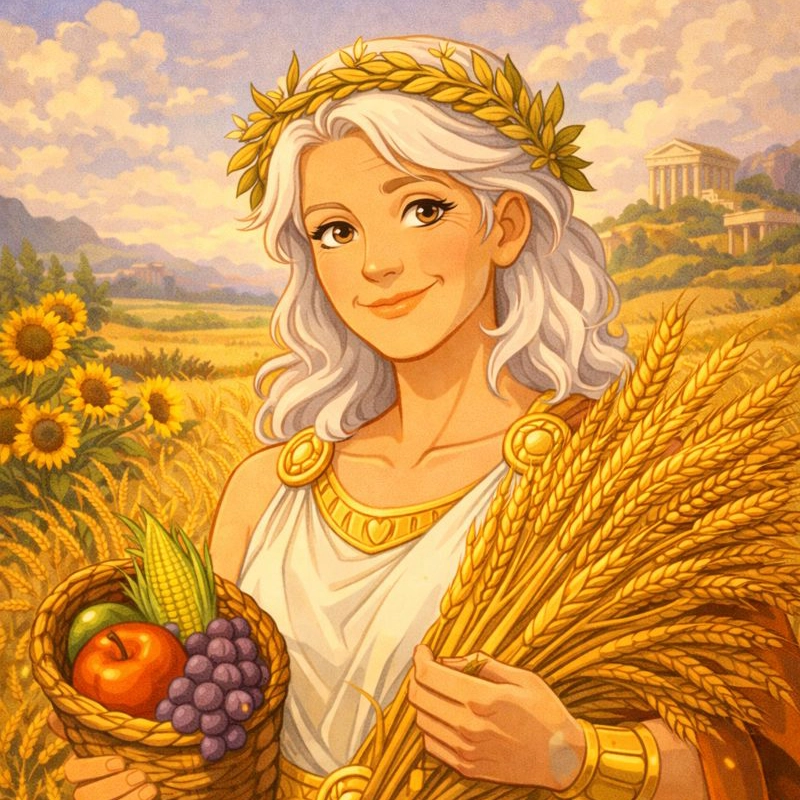
With the help of Metis, a wise Titaness, Zeus tricked Cronus into drinking a special potion. The potion made Cronus vomit up all the children he had swallowed—Hestia, Demeter, Hera, Hades, and Poseidon. Now fully grown, Zeus and his siblings were ready to fight.

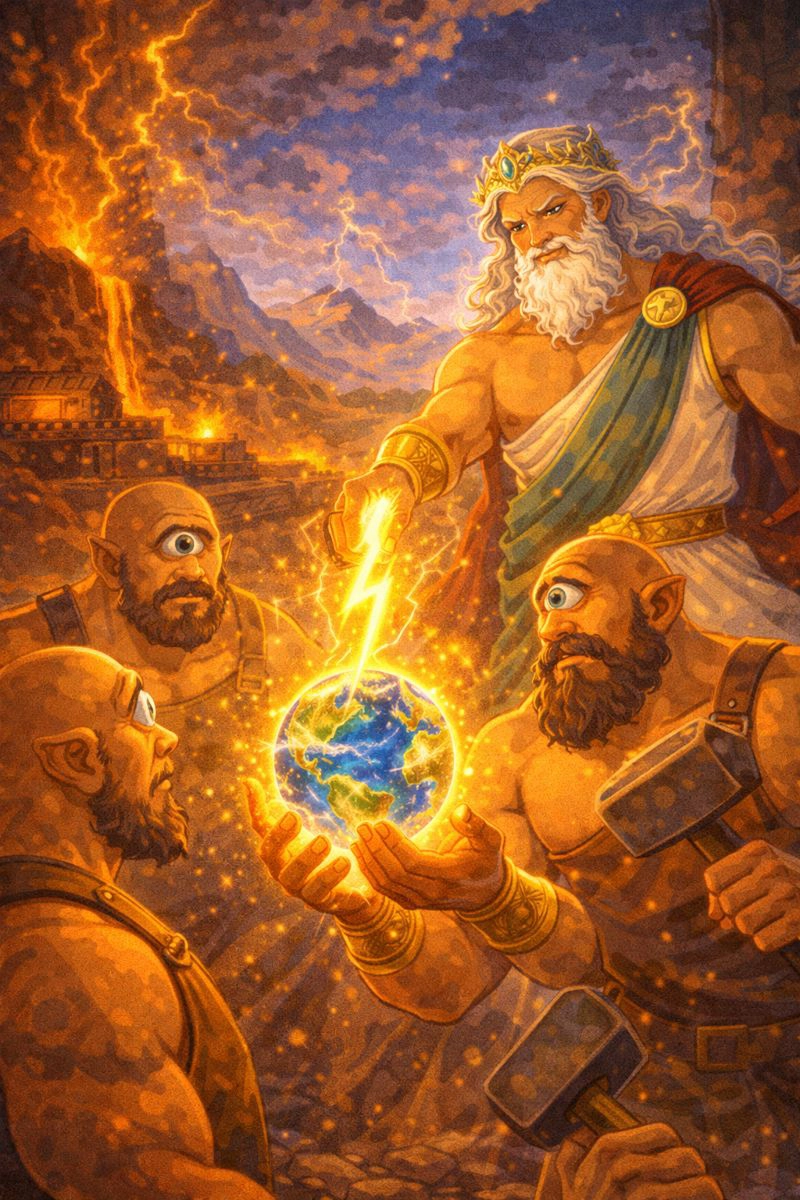
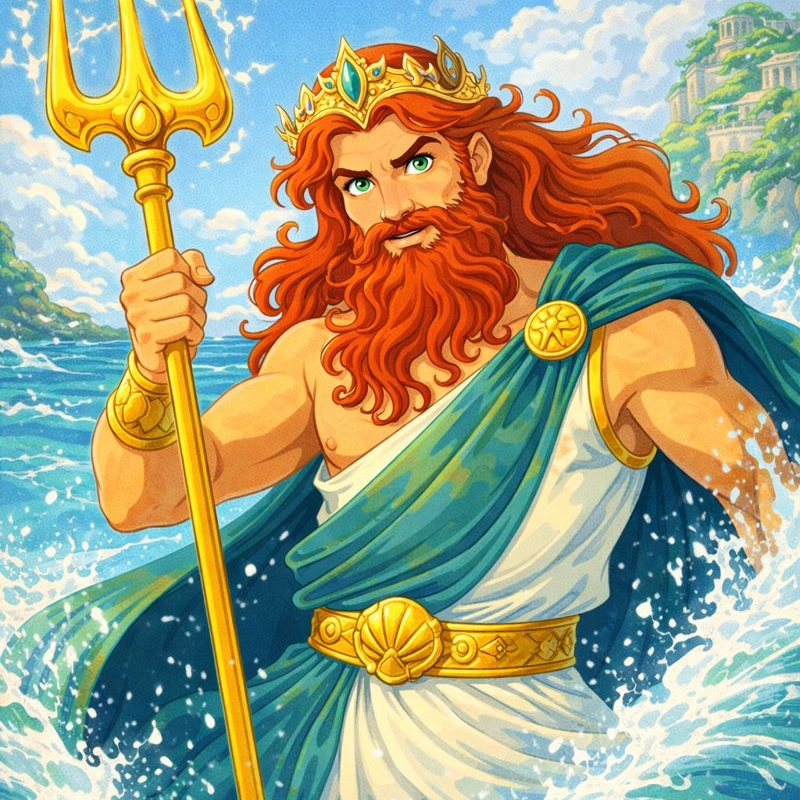
This led to the Titanomachy, a great war between the Titans, led by Cronus, and the younger gods, led by Zeus. The battle raged for ten years, shaking the heavens and the earth. The Titans were strong, but Zeus and his siblings had powerful allies. They freed the Cyclopes and the Hecatoncheires—giants with a hundred arms—from the depths of Tartarus. In gratitude, the Cyclopes gave Zeus his mighty thunderbolt, Poseidon his trident, and Hades a helmet of invisibility.

With their new weapons, the gods turned the tide of the battle. The Hecatoncheires hurled massive boulders at the Titans, while Zeus struck with his thunderbolts, shaking the sky. Finally, Zeus defeated Cronus and cast him, along with most of the Titans, into Tartarus, locking them away forever behind massive bronze gates guarded by the Hecatoncheires.

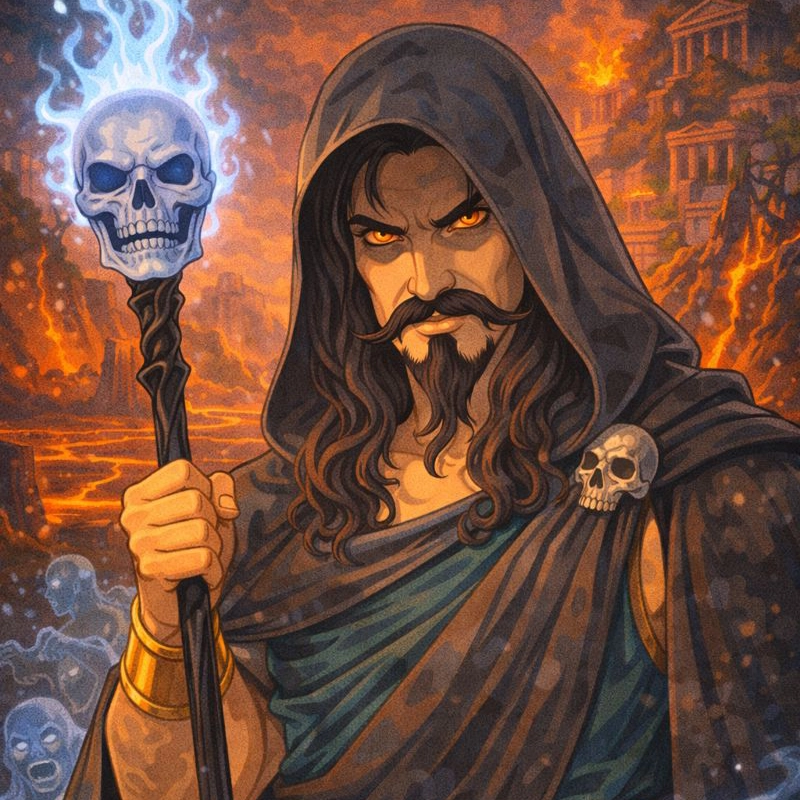
After their victory, Zeus and his brothers divided the cosmos among themselves. Zeus became the ruler of the sky and the king of the gods, seated on Mount Olympus. Poseidon took control of the seas, ruling over the vast waters. Hades became the lord of the underworld, overseeing the realm of the dead.

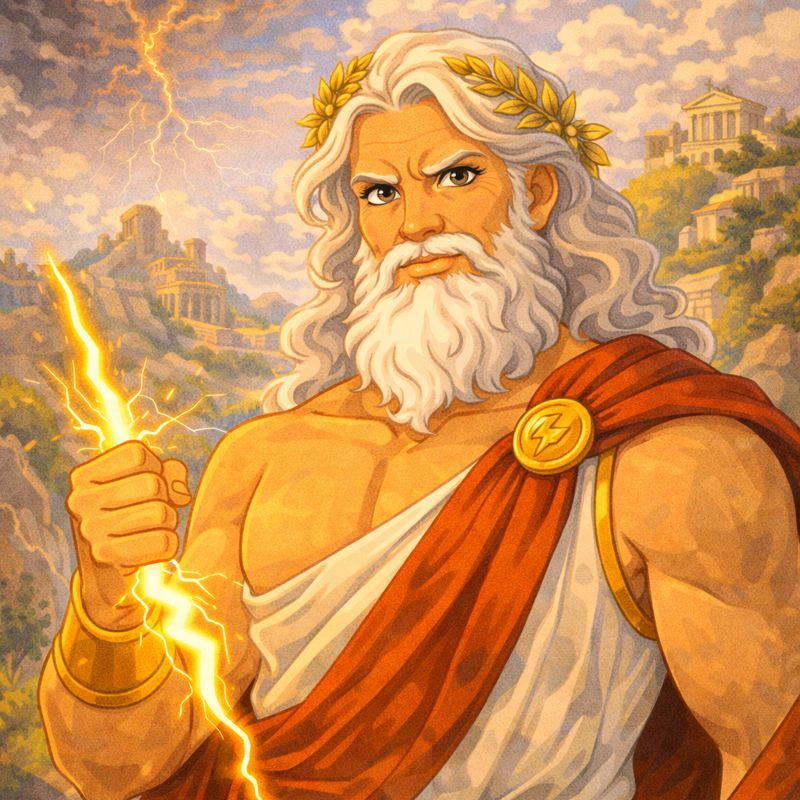
Zeus established his rule over the heavens and all of existence, bringing order where there had been chaos. He built a great palace on Mount Olympus, where the gods would live and govern the world. But his rule was not without challenges—giants and monsters still roamed, and even his fellow gods sometimes questioned his authority. Yet Zeus, with his thunderbolt in hand, remained the supreme ruler, ensuring that the new order of gods, known as the Olympians, would last for generations.

Did you know
The Titanomachy was said to last ten years and shook the heavens and the earth.

The 12 Olympians & Mount Olympus

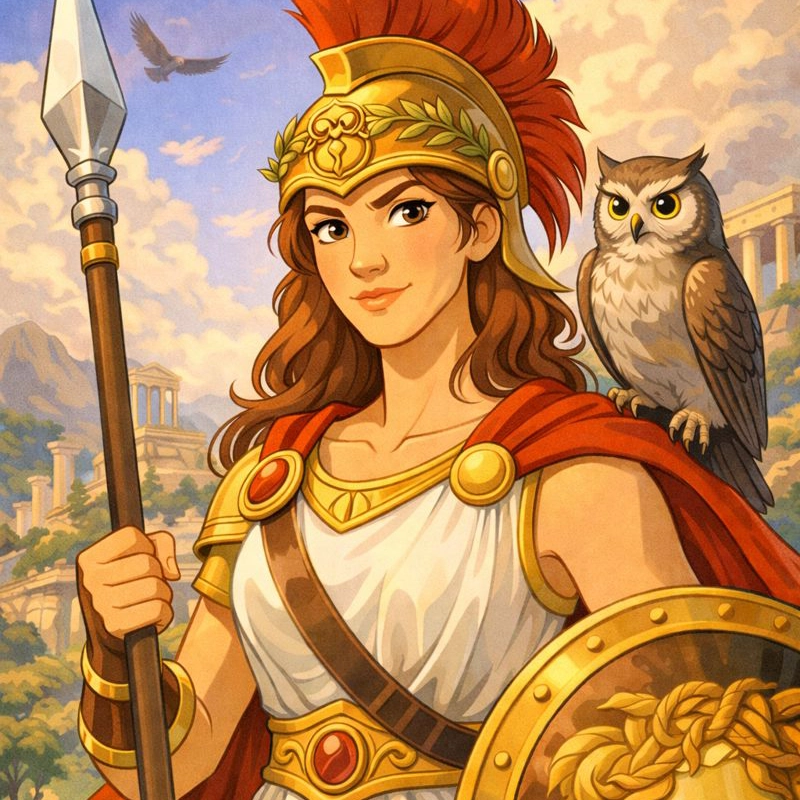
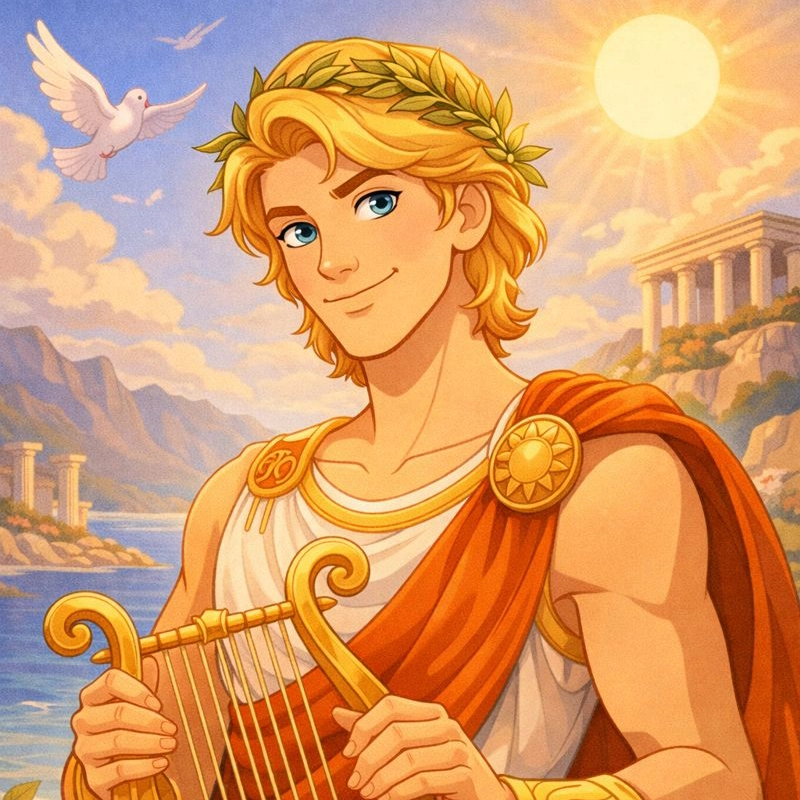
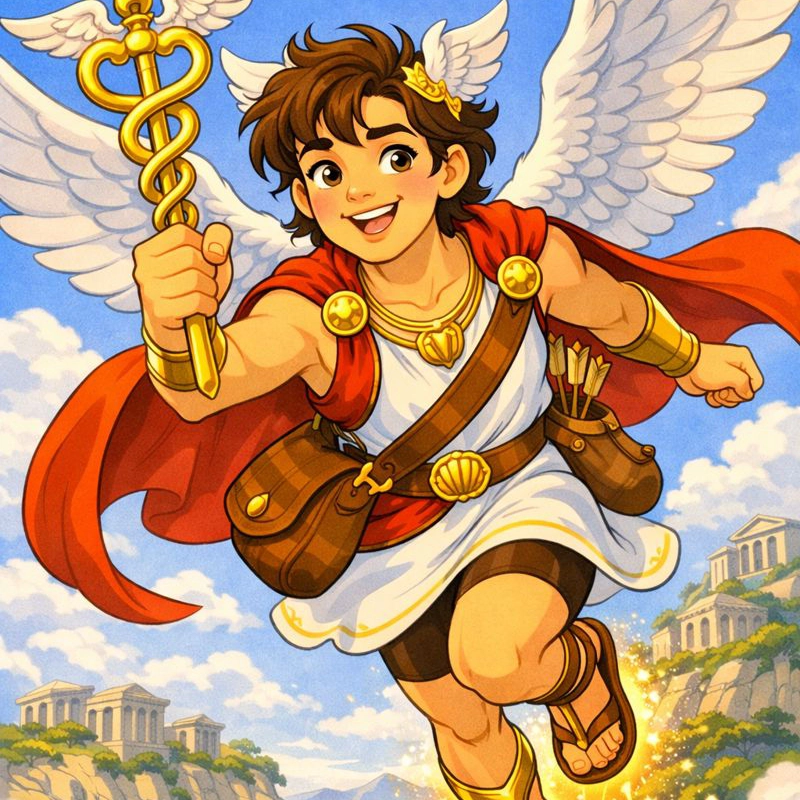
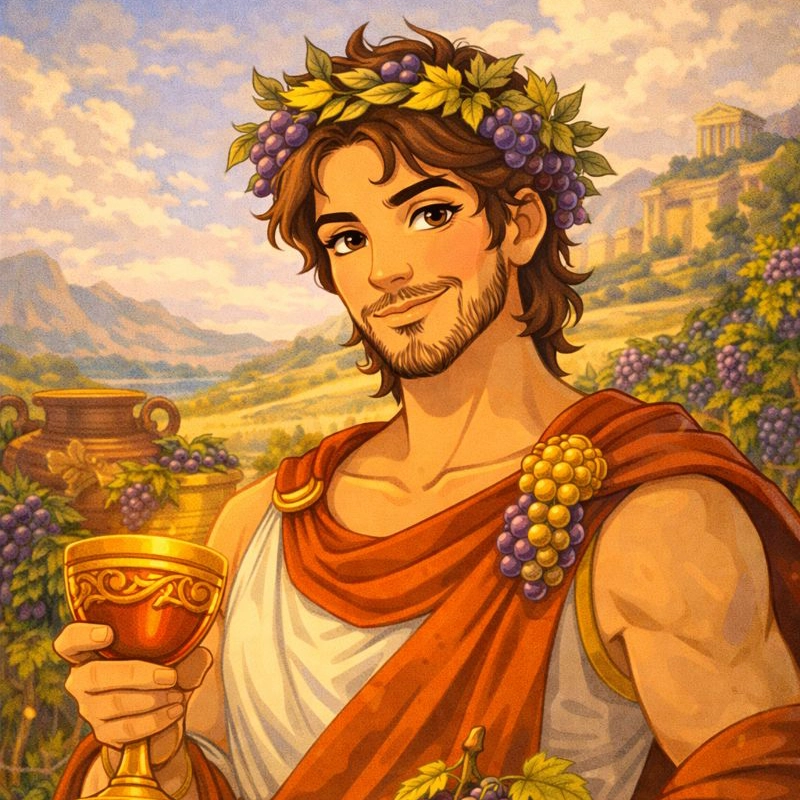
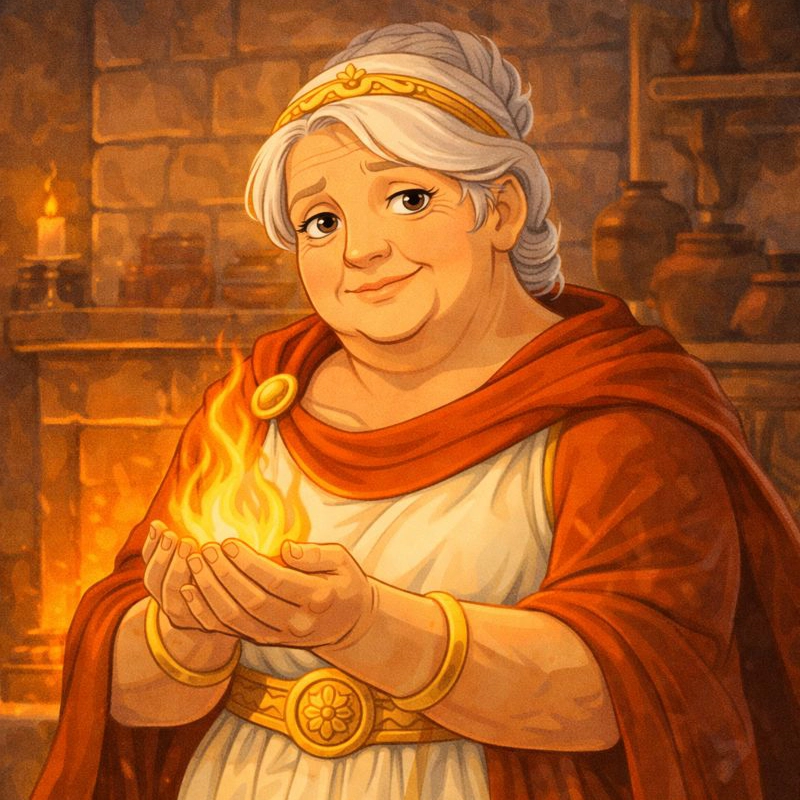
The Olympians were the principal deities of Greek mythology, ruling over the cosmos from their celestial home on Mount Olympus. These gods and goddesses held dominion over various aspects of life, from wisdom and war to love and the sea. Zeus, the king of the gods, ruled alongside his siblings and children, each of whom played a vital role in Greek mythology. The Olympians were both revered and feared, as their favor could bring prosperity, while their wrath could spell disaster.

Mount Olympus, the highest peak in Greece, was believed to be an otherworldly realm where the gods feasted, debated, and watched over mortals. Unlike the mortal world, Olympus was a place of eternal grandeur, untouched by time and decay. It was said that only the divine could dwell there, and even heroes who achieved greatness in life were rarely granted entrance. This legendary mountain remains a powerful symbol of divine authority and the rich tapestry of Greek mythology.

Click on an image below to learn more about the Olympians: