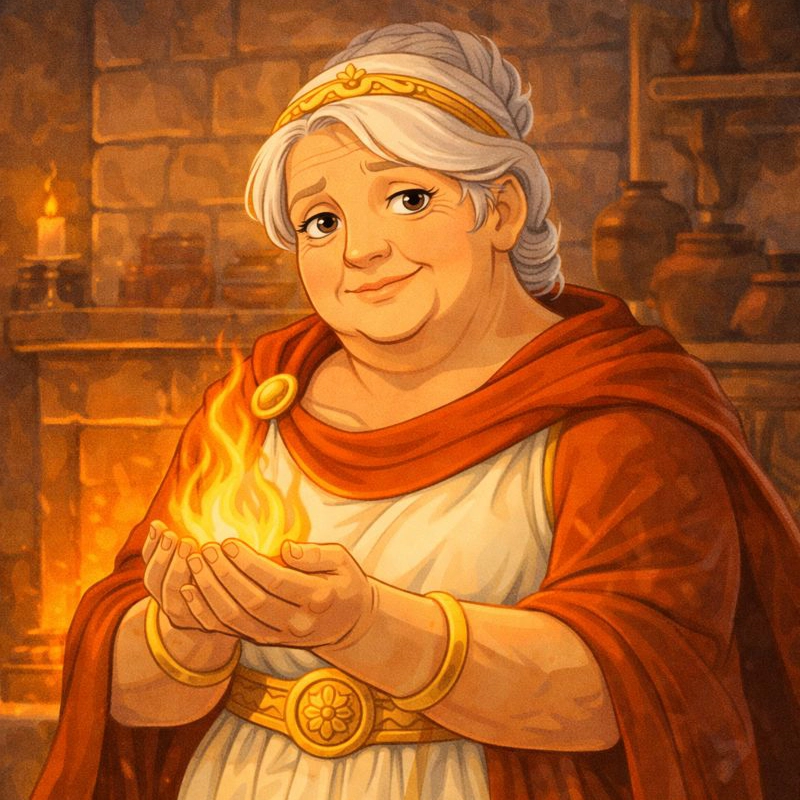
Hephaestus
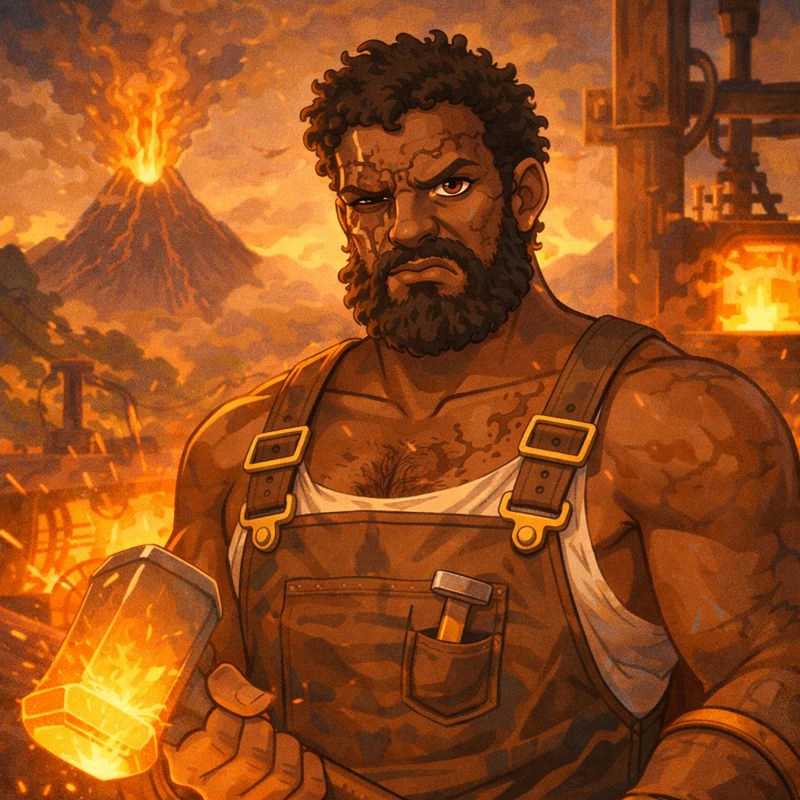
Hephaestus was the Olympian blacksmith—famous for building incredible weapons, armor, and inventions for the gods. He wasn’t known for beauty, but his skill and intelligence made him one of the most important gods on Olympus.
Background
Hephaestus was the Greek god of fire, blacksmiths, and craftsmanship. He was known for his incredible skill in metalworking and was the creator of many powerful weapons and tools for the gods. His Roman name was Vulcan. Unlike the other Olympians, Hephaestus was not known for his beauty. In fact, he was often described as lame and physically different from the other gods. Some myths say he was born weak and deformed, and Hera, ashamed of him, threw him from Mount Olympus. Others say Zeus cast him down after an argument.
Despite his hardships, Hephaestus became one of the most talented gods. He built the palaces and weapons of the gods, including Zeus’s thunderbolts and Achilles’ legendary armor. He also created the first woman, Pandora, at Zeus’s request. Hephaestus worked in his fiery forge, often helped by the one-eyed Cyclopes. His symbols included the hammer, anvil, and fire, representing his craftsmanship and strength.
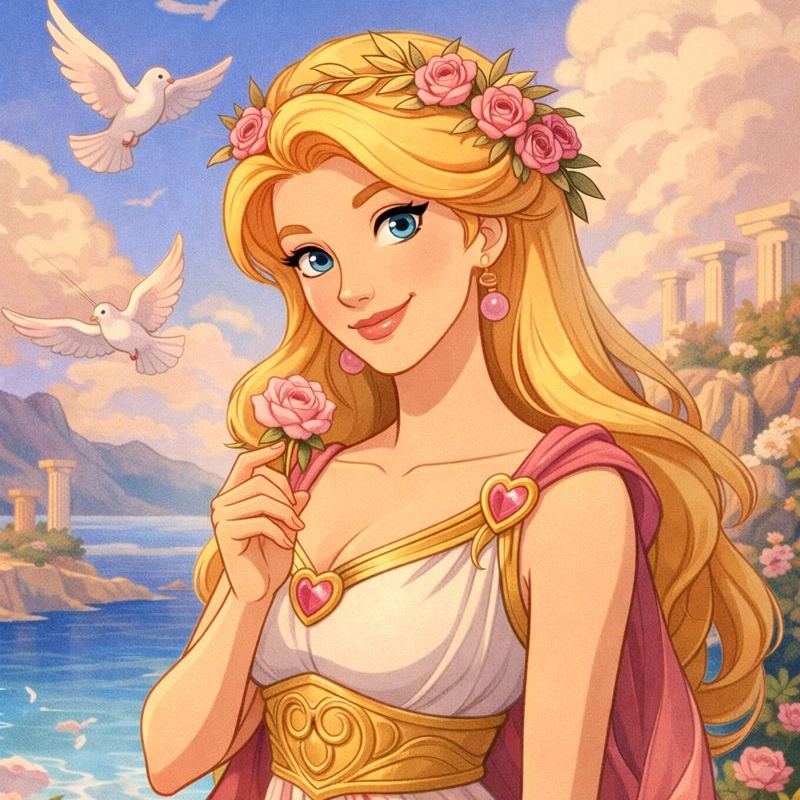
Hephaestus was married to Aphrodite, the goddess of love, but their relationship was not happy. Aphrodite had many affairs, especially with Ares, the god of war. Still, Hephaestus remained important to the gods, proving that skill and intelligence mattered just as much as strength and beauty.
Vocabulary
Notable Stories About Hephaestus
Fall from Olympus
Hephaestus was not like the other gods. From the moment he was born, he was different. Unlike his powerful and graceful siblings, he was weak and deformed. His mother, Hera, was ashamed. Some say she threw him from Mount Olympus herself, disgusted by his appearance. Others say Zeus, in a moment of rage, hurled him down. Either way, the tiny god tumbled through the sky, falling for an entire day before crashing into the sea.
The impact should have been deadly, but fate had other plans. Beneath the waves, the gentle sea nymphs Thetis and Eurynome found him. They cradled the injured child and took him to their underwater cave, far away from Olympus. There, they cared for him, raising him in secret. Though his legs remained weak, Hephaestus grew strong in other ways. He discovered fire and metal and taught himself the art of smithing. Using his hands and mind, he created beautiful works, shaping metal like no one else ever had.
For years, Hephaestus stayed beneath the waves, working in his hidden forge. There, he spent his days crafting delicate jewelry, mighty weapons, and golden automatons that could move on their own. All the while, he plotted his revenge on the mother who cast him away.
A Trap for Hera
Hephaestus never forgot how his mother, Hera, had cast him out of Olympus. Though he had returned as the gods' blacksmith, the wound of rejection still burned within him. He decided that if his mother did not respect him, he would teach her a lesson she would never forget.
Deep in his forge, Hephaestus worked tirelessly, shaping molten metal with his skilled hands. He created a magnificent golden throne, more beautiful than any seat on Mount Olympus. It gleamed with jewels and shone with divine craftsmanship. But hidden within it was a secret—an unbreakable trap. When the throne was ready, Hephaestus sent it to Olympus as a gift for Hera. Delighted by its beauty, she eagerly sat upon it. The moment she did, invisible chains sprang to life, binding her arms and legs. No matter how she struggled, she could not escape.
The other gods rushed to free her, but no one—not even mighty Zeus—could break Hephaestus’s craftsmanship. Hera was humiliated and furious, but she had no choice. The gods decided there was only one way to fix this: they had to bring Hephaestus back to Olympus and convince him to release her.
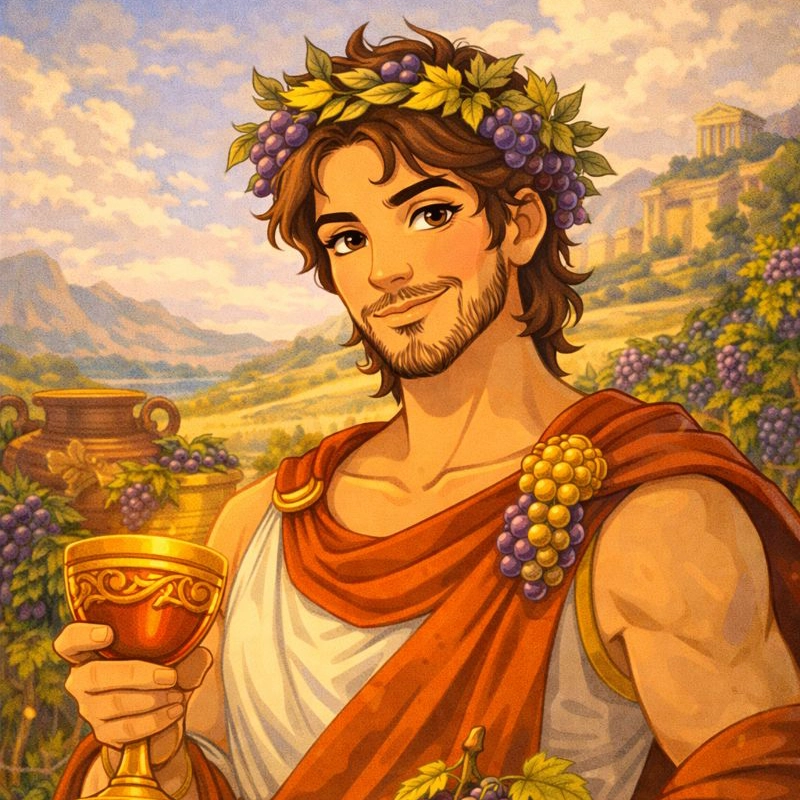
But Hephaestus refused. He had no interest in returning to the family that had abandoned him. So, Dionysus, the god of wine and revelry, took matters into his own hands. He traveled to Hephaestus’s forge and offered him cup after cup of sweet, strong wine. The blacksmith god drank and drank until he could barely stand. Then, laughing, Dionysus slung Hephaestus over a donkey and led him up to Mount Olympus.
When Hephaestus awoke, the gods pleaded with him to release Hera. Finally, he agreed—but only under one condition. He demanded a place among the Olympians and a proper wife. The gods agreed, and Zeus offered him Aphrodite, the goddess of love, as his bride. Satisfied, Hephaestus released Hera, proving that he was no longer the weak child she had cast aside, but a god whose skill and intelligence made him just as powerful as any of them.
The Golden Net
Hephaestus, the god of fire and craftsmanship, was not known for his looks, but his skill in metalworking was unmatched. His wife, Aphrodite, the goddess of love and beauty, had married him not out of desire, but because the gods had arranged it. While Hephaestus was devoted to her, Aphrodite’s heart belonged to another—the handsome and fierce Ares, the god of war.
Whenever Hephaestus was away in his forge, Ares would sneak into his palace to be with Aphrodite. The two lovers thought they were clever, but Helios, the all-seeing sun god, witnessed their affair. Unable to let such betrayal go unnoticed, Helios informed Hephaestus of their secret meetings. Instead of reacting with rage, Hephaestus calmly hatched a plan to catch them in the act.
He returned to his forge and worked through the night, crafting a net of the finest gold. It was thin as silk, invisible to the eye, yet impossibly strong. When the net was ready, he set it carefully over his marriage bed and pretended to leave for work as usual. No sooner had he gone than Ares arrived, eager to see Aphrodite. The moment they lay together, the trap was sprung! The golden net dropped, wrapping around them like unbreakable chains.
Hephaestus returned at once and, with a triumphant smile, summoned the other gods to witness the scene. The Olympians gathered, laughing and jeering as Ares and Aphrodite lay helpless and humiliated beneath the golden net. Even mighty Zeus could not contain his amusement at the irony—the god of war, caught not in battle, but in a blacksmith’s trap.
Ares, burning with shame, promised to pay a fine for his wrongdoing, and once Hephaestus was satisfied, he released the lovers. Aphrodite fled to Cyprus, and Ares escaped to Thrace, but their affair was no longer a secret. Though Hephaestus had proven his wit and skill once again, his marriage to Aphrodite would never be one of love. From that day on, he devoted himself fully to his craft, knowing that his true power lay not in beauty, but in brilliance.
The Creation of Pandora
After Prometheus stole fire from the gods and gave it to humanity, Zeus was furious. The king of the gods wanted to punish both Prometheus and the mortals he had helped. To do this, he devised a clever plan—he would create a being so beautiful and irresistible that humans could not refuse her, yet she would bring great misfortune upon them. To bring this plan to life, he turned to Hephaestus, the divine blacksmith.
Deep in his fiery forge, Hephaestus worked tirelessly, shaping the first woman out of clay. He molded her with great care, giving her a graceful form, delicate features, and a face that rivaled the beauty of the goddesses. Hephaestus breathed life into her, and she opened her eyes, becoming the first mortal woman. Zeus named her Pandora, meaning “all-gifted.”
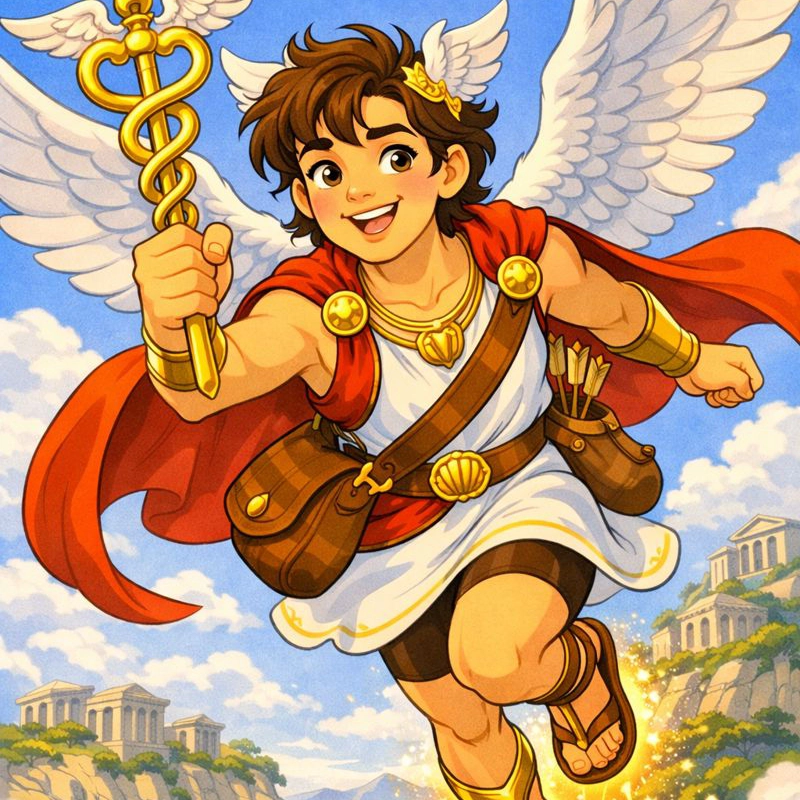
The gods each gave Pandora a special trait. Athena clothed her in fine garments and taught her wisdom. Aphrodite blessed her with charm and beauty. Hermes gave her a cunning mind and a persuasive tongue. But Zeus, hiding his true intent, placed in her heart an irresistible curiosity. Finally, he handed her a mysterious jar, warning her never to open it. Without explaining why, he sent her down to Earth as a "gift" to humanity.
Pandora was welcomed with open arms, especially by Epimetheus, the brother of Prometheus, who fell in love with her and made her his wife. But no matter how happy she was, the jar constantly called to her. She could not understand why she was forbidden from opening it. The more she tried to resist, the stronger her curiosity grew, just as Zeus had intended.
At last, Pandora could take it no longer. She carefully lifted the lid—and in an instant, everything changed. From the jar burst sickness, sorrow, pain, and all the evils of the world. They spread across the earth like a terrible storm, cursing humanity forever. Horrified, Pandora slammed the lid shut, but it was too late. Only one thing remained inside—Hope.
Though Hephaestus had only crafted Pandora’s form, his work had played a crucial role in Zeus’s plan. From that day forward, humankind would suffer, but they would also have hope, a small light in the darkness, to keep them going.

The Armor of Achilles
During the Trojan War, Achilles, the mightiest Greek warrior, fought with unmatched skill. But when his dear friend Patroclus was killed in battle while wearing his armor, Achilles was overcome with grief and rage. Even worse, Hector, the Trojan prince who had slain Patroclus, had taken the armor for himself. Achilles swore revenge, but without his armor, he could not fight. His mother, Thetis, a sea nymph, knew there was only one god who could help—Hephaestus.
Thetis traveled deep beneath the waves to Hephaestus’s grand forge. She found the god at work, crafting marvelous metal creations alongside his assistants, the one-eyed Cyclopes. When she told him of Achilles’ sorrow and his need for new armor, Hephaestus agreed without hesitation. He had great respect for Thetis, for she had once saved him when he was cast from Olympus as a child. Now, he would repay her kindness with his finest work.
Hephaestus toiled through the night, shaping the strongest bronze and gold with his skilled hands. He crafted a massive shield, unlike anything the world had ever seen. Upon its surface, he carved intricate images—scenes of war and peace, feasts and dances, farmers harvesting fields, and stars shining in the night sky. It was not just armor; it was a masterpiece, a vision of the world itself. Along with the shield, he forged a breastplate, a helmet, and greaves, all gleaming with divine craftsmanship.
When the armor was finished, Thetis brought it to Achilles. The moment he put it on, he became more fearsome than ever before. The Trojans trembled at the sight of him, and even mighty Hector knew his fate was sealed. With Hephaestus’s armor protecting him, Achilles returned to battle, avenging Patroclus and striking fear into his enemies.
Though Achilles' destiny was tragic, the armor of Hephaestus became legendary. It was a symbol of both divine craftsmanship and the power of fate. Hephaestus had once again proven that the strength of a warrior was not just in his skill, but in the hands of the god who forged his weapons.