Ares
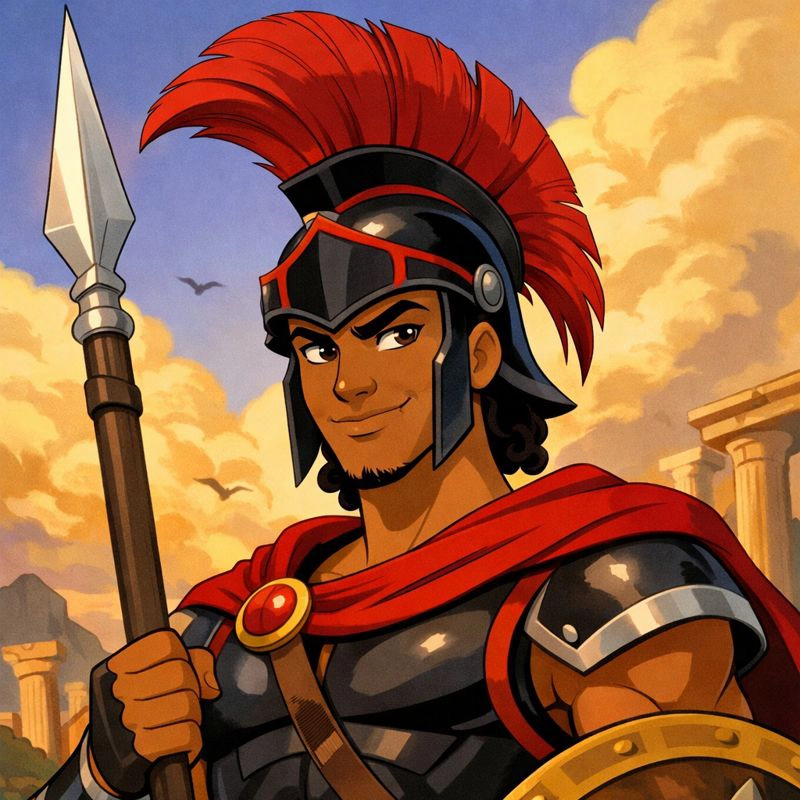
Ares was the fierce Olympian god who represented the violent and chaotic side of war, thriving on conflict, rage, and the clash of battle.
Background
Ares was the Greek god who embodied the brutal and destructive side of war. Unlike his sister Athena, who represented strategy and wisdom in battle, Ares thrived on chaos, violence, and bloodshed. He was often shown wearing armor and carrying a spear or sword, ready to charge into combat.
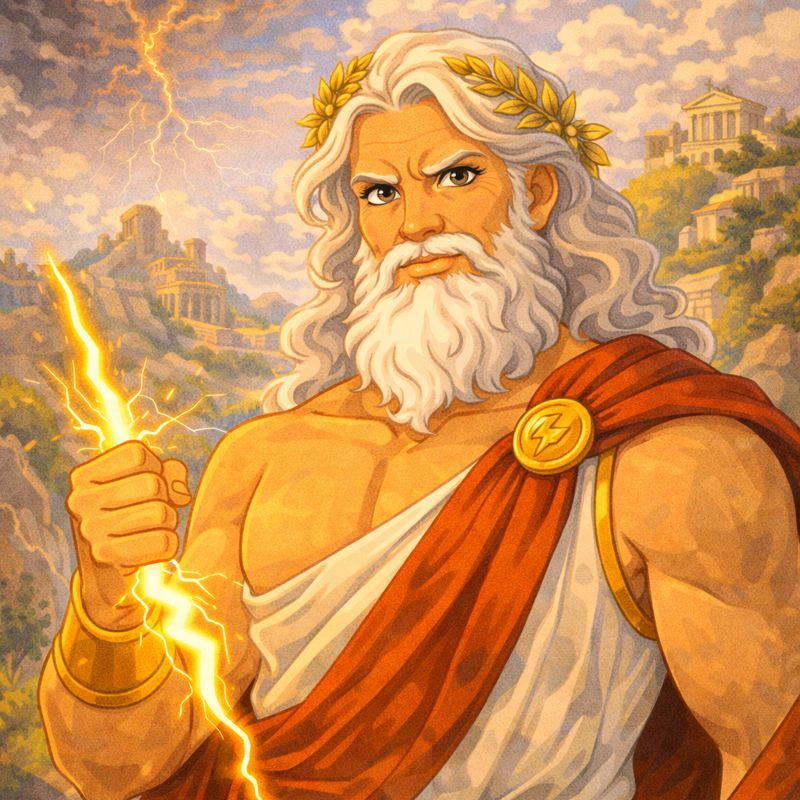
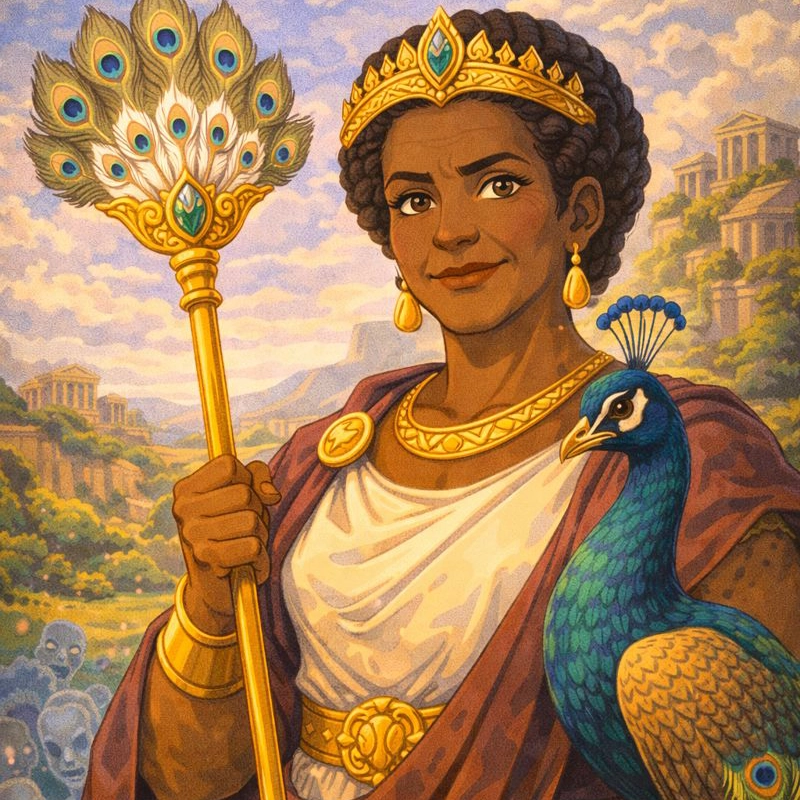
Even though Ares was the son of Zeus and Hera, his father openly disliked him. Zeus saw Ares as reckless and dangerous, bringing destruction wherever he went. In many myths, Ares is defeated—not only by Athena, but sometimes even by mortals.
Ares was closely associated with fear and terror. His sons, Phobos and Deimos, often followed him into battle, spreading panic among his enemies. His sacred animals included the vulture and the dog—creatures linked to violence and death.
While Ares was feared, he was not widely worshiped in Greece. Many people viewed him as a symbol of unnecessary violence. In contrast, the Romans honored his counterpart, Mars, as a noble protector and father figure of the Roman people.
Vocabulary
Ares and Aphrodite’s Affair
Ares, the god of war, was known for his strength and passion, but he also fell deeply in love with Aphrodite. The problem was that Aphrodite was married to Hephaestus, the god of blacksmiths. Hephaestus was clever and skilled, but he was not as handsome or powerful as Ares. Despite her marriage, Aphrodite and Ares often met in secret, hoping to keep their love hidden.
One day, Helios, the sun god, saw Ares and Aphrodite together. Helios watched everything that happened in the heavens and on Earth, so he could not be fooled. Wanting to expose them, Helios went straight to Hephaestus and told him about their affair. Furious and humiliated, Hephaestus came up with a plan to catch the war god.
Hephaestus spent hours in his forge crafting a special net made of fine golden chains. Though the chains were thin, they were unbreakable. He set the trap over his own bed and waited. Soon, Ares and Aphrodite met again. As they lay together, the golden net dropped from above, trapping them both. No matter how hard Ares struggled, he could not break free.
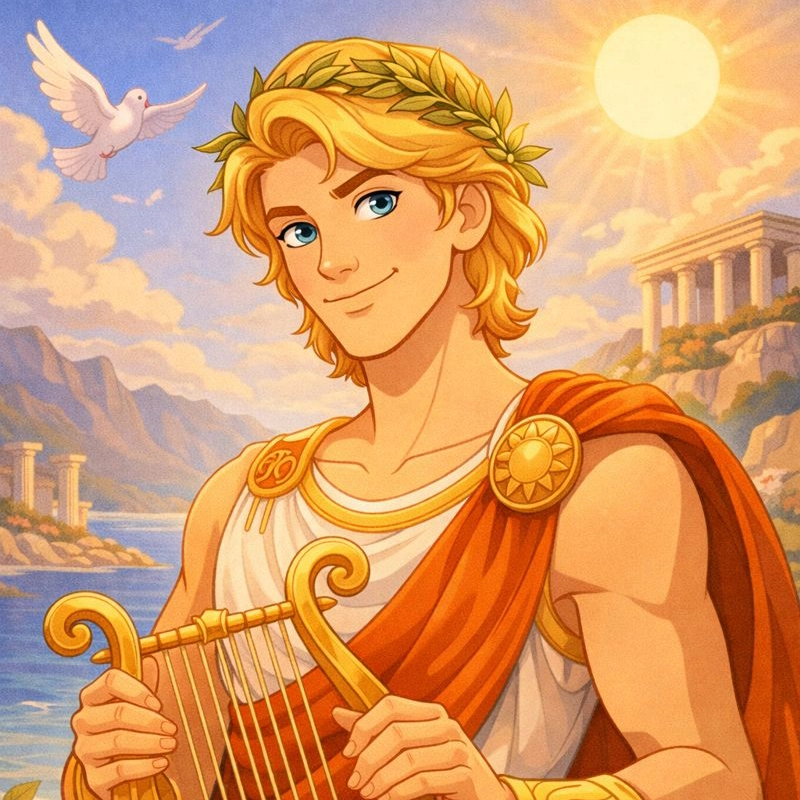
Hephaestus called the other gods to come and see the trapped lovers. Many of them laughed, especially Apollo and Hermes, who joked about wanting to trade places with Ares. However, some goddesses refused to come, feeling it was improper to mock Aphrodite. Even though Ares was humiliated, he remained proud and defiant.
After a while, Poseidon convinced Hephaestus to release them. Once freed, Ares fled to Thrace, his homeland, while Aphrodite returned to Cyprus. Despite the embarrassment, their relationship continued, and their children—including Phobos (fear) and Deimos (terror)—would later accompany Ares into battle.

Ares, Athena, and the Trojan War
During the Trojan War, Ares fought on the side of the Trojans, while his sister Athena supported the Greeks. Ares loved the chaos of battle and cared little for careful planning. He simply wanted to fight, causing destruction wherever he went. With Ares on their side, the Trojans became fiercer, striking fear into the hearts of the Greeks.
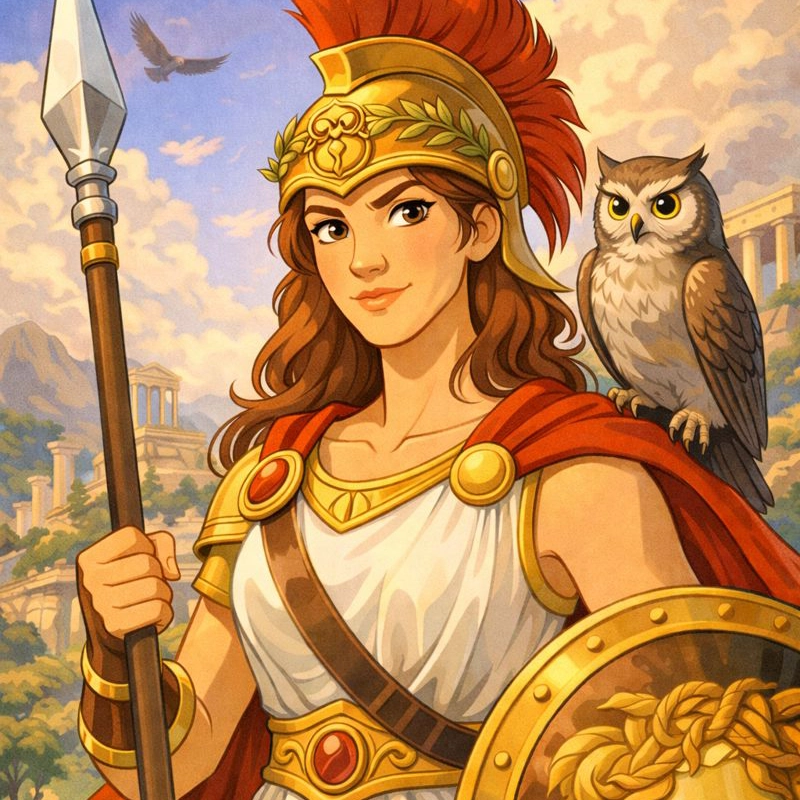
Athena, the goddess of wisdom and war strategy, knew she had to stop her brother. Unlike Ares, she fought with skill and intelligence rather than brute force. She decided to help Diomedes, a brave Greek warrior, by giving him the power to see the gods on the battlefield. With Athena’s guidance, Diomedes became more fearless.
As Ares charged into battle swinging his spear wildly, Diomedes faced him without fear. Just as Ares prepared to strike, Athena stepped in. She deflected Ares’ attack and guided Diomedes’ spear straight into Ares’ body. The god of war let out a terrible scream that shook the battlefield. Even though he was immortal, the pain was unbearable.
Wounded and furious, Ares fled to Mount Olympus and complained to Zeus that Athena had helped a mortal wound him. But Zeus was not sympathetic. He scolded Ares, telling him that he was reckless and destructive—bringing chaos rather than victory.
Defeated, Ares had no choice but to leave the battlefield for a while. Without him, the Trojans lost their advantage, and the Greeks continued to fight. The myth shows that rage alone can’t win a war—wisdom and strategy matter too.
The Capture of Ares by the Aloadae Giants
Ares, the mighty god of war, was known for his strength and love of battle. But there was a time when even he was powerless. This happened when he was captured by the Aloadae—two giant brothers named Otus and Ephialtes. These giants wanted to prove they were more powerful than the gods, so they planned to storm Mount Olympus and take control.
Before attacking Olympus, Otus and Ephialtes decided to capture Ares. They believed that if they could imprison the god of war, it would weaken the Olympians. Using teamwork and brute strength, they managed to overpower Ares and locked him inside a large bronze jar, trapping him completely. No matter how hard he struggled, Ares could not escape.
Ares remained trapped in the jar for thirteen long months. He grew angrier with each passing day, and the other gods did not even know where he was. For a god who loved power and battle, being helpless was a deep humiliation.
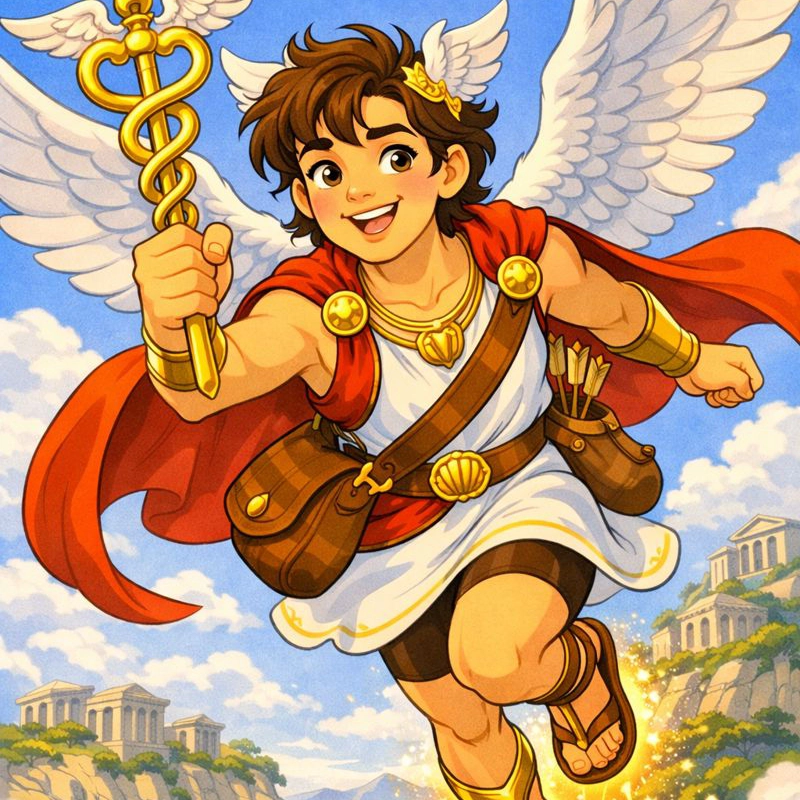
Luckily, the giants’ stepmother, Eriboea, learned what had happened and secretly told Hermes. Hermes, the clever messenger god, set out to rescue Ares. With the giants distracted and defeated, Hermes rushed to the bronze jar and freed Ares at last.
Though Ares was embarrassed by his capture, he learned an important lesson: strength alone isn’t everything. Sometimes teamwork and clever plans can defeat even the strongest fighter.
The Murder of Halirrhothius
Ares, the fierce god of war, was known for his quick temper. One day, his anger led him to kill Halirrhothius, the son of Poseidon. Halirrhothius saw Alcippe, Ares’ daughter, and tried to take her by force. When Ares found out, he was filled with rage.
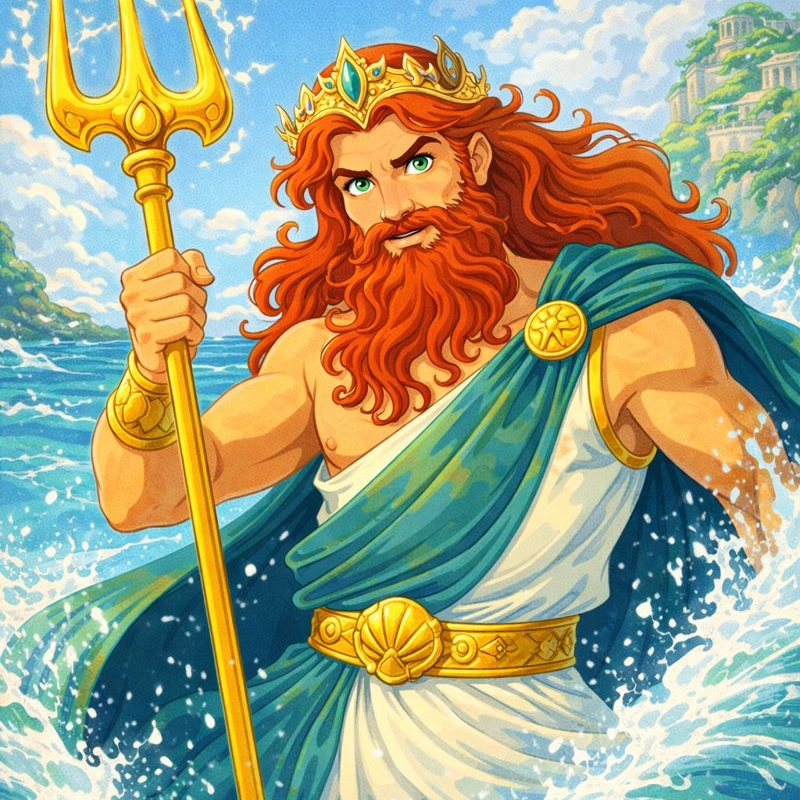
Without hesitation, Ares hunted Halirrhothius down and killed him. But killing Poseidon’s son caused an uproar among the gods. Poseidon demanded justice and insisted Ares be put on trial.
Zeus agreed, and the trial took place on a hill near Athens. This was rare, because gods were not often judged for their actions. Ares defended himself, arguing that he acted to protect his daughter and that his violence was justified in this case.
After hearing both sides, the gods ruled in Ares’ favor and found him not guilty. The trial showed that even the god of war could be held accountable—and that protecting the innocent mattered.
The hill where the trial happened became famous, and the event became part of Athens’ identity for centuries.
The Founding of the Areopagus
In ancient Athens, there was a special court called the Areopagus, named after Ares. The story of its founding began when Ares killed Halirrhothius, the son of Poseidon. Because Halirrhothius had tried to harm Ares’ daughter, Ares claimed he acted as punishment and protection—but Poseidon demanded a trial.
Zeus allowed the trial to take place on a hill near the Acropolis. The gods gathered to decide whether Ares was guilty. After hearing the case, they ruled that Ares was not guilty, since he had acted to defend his daughter.
After the trial, the hill became known as the Areopagus—meaning “Hill of Ares.” Later, the Athenians used this site as their highest court, where they judged serious crimes like murder. The court became a symbol of fairness and law in Athens.
Even though Ares represented war and chaos, his trial helped create a lasting symbol of justice. The myth reminds readers that rules and courts exist to keep violence from taking over.